Best Jute Bags Suppliers & Manufacturers in Saudi Arabia

Best Jute Bags Suppliers & Manufacturers in Saudi Arabia – Top Picks for Wholesale Importers

Saudi Arabia is becoming more eco-friendly. Many cities are limiting the use of plastic bags. This has increased the demand for reusable and biodegradable bags, like jute.

Jute bags are strong, stylish, and good for the environment. They are used in shops, events, factories, and even by big companies for promotions.

The government’s Vision 2030 encourages green practices. So, businesses in Riyadh, Jeddah, Dammam, and other cities are looking for sustainable alternatives. Jute bags are now a smart choice for wholesale and retail.

Top Jute Bag Suppliers and Manufacturers Serving Saudi Arabia

If you are planning to buy jute bags in bulk for your business in Saudi Arabia, you have two main options: local distributors and international exporters. Local suppliers are helpful for quick delivery and smaller orders. Exporters from countries like Bangladesh or India usually offer better prices and customization for larger orders.

Below is a list of trusted companies that supply jute bags to businesses in Saudi Arabia. Each one has its own strengths, and some are better for retail, while others focus on large-scale industrial packaging.

1. Imperial Jute (Exporter from Bangladesh)

jute manufacturer and supplier company

Website: Imperial jute

Imperial Jute is a leading manufacturer and exporter of eco-friendly jute products based in Bangladesh. With over 8 years of experience, they have established themselves as a reliable source for high-quality jute goods, including bags, fabrics, yarn, and ropes. Their commitment to sustainability and quality has made them a preferred supplier for businesses worldwide, including those in Saudi Arabia.​

Key Offerings:

  • Wide range of jute products: bags, fabrics, yarn, ropes
  • Customizable options to meet specific client needs
  • Eco-friendly and biodegradable materials
  • Efficient production with a capacity of over 40 tons per day
  • Timely delivery and global shipping capabilities

2. Green Bags Saudi (Local Manufacturer & Supplier)

Website: https://www.greenbagssaudi.com

Green Bags Saudi is a premier manufacturer and supplier of eco-friendly bags in Saudi Arabia. Established in 2006, they specialize in producing jute, cotton, and canvas bags that cater to various sectors, including retail, education, and government organizations. Their commitment to sustainability aligns with the Saudi Green Initiative, promoting environmentally responsible practices.​

Key Offerings:

  • Locally manufactured jute, cotton, and canvas bags
  • Customizable designs for branding and promotional needs
  • Quick turnaround times for bulk and custom orders
  • Serving a diverse clientele: retail chains, schools, government entities
  • Strong emphasis on eco-friendly and sustainable products

3. JuteMart KSA (Online Retailer & Bulk Supplier)

Website: https://jutemart.net

JuteMart KSA is an online platform offering a variety of jute products, including shopping bags, garden/kitchen tool bags, and promotional items. They cater to both retail and bulk buyers, providing customizable options suitable for events, giveaways, and business use. Their products are designed to be eco-friendly and align with sustainable practices.​

Key Offerings:

  • A diverse range of jute products for various applications
  • Customization options for branding and events
  • Convenient online ordering with delivery across Saudi Arabia
  • Ideal for event planners, conference organizers, and small businesses
  • Commitment to providing eco-friendly and sustainable solutions​

4. EcoBags Arabia (Regional Distributor)

Website:

EcoBags Arabia is a Dubai-based manufacturer and distributor of eco-friendly bags, including jute, cotton, and canvas options. They offer affordable custom-printed bags without compromising on ethical values, aiming to make sustainable alternatives accessible to everyone. Their products are suitable for businesses looking to reduce their environmental impact.​

Key Offerings:

  • High-quality jute, cotton, and canvas bags
  • Custom printing services for branding purposes
  • Regular shipping to Saudi Arabia and other GCC countries
  • Focus on sustainability and ethical manufacturing practices
  • Ideal for hotels, real estate firms, and government agencies​

Jute Bags Are Becoming Popular in Saudi Arabia

In recent years, Saudi Arabia has taken strong steps to reduce the use of plastic. Many cities now have rules to limit or ban single-use plastic bags. As a result, both businesses and consumers are looking for better, eco-friendly alternatives. Among the options, jute bags have become one of the most popular choices.

Jute is a natural fiber that is both strong and biodegradable. Bags made from jute can be used again and again. This makes them perfect for shopping, packaging, events, and promotions. Many Saudi businesses now use jute bags for their stores, giveaways, and even large-scale packaging needs.

This growing demand is not just a local trend. It matches the country’s long-term sustainability goals under Vision 2030. As more companies switch to green solutions, jute bags are becoming an essential part of doing responsible business in Saudi Arabia.

Why More Saudi Businesses Are Choosing Jute Bags

There are several good reasons why jute bags are becoming a smart choice in the Saudi market. Here are the main ones:

Environmentally Safe and Biodegradable

Jute is completely natural. It comes from plants and is grown without harmful chemicals. When thrown away, jute bags get decompose easily in the soil without polluting the environment. This makes them much safer than plastic bags, which can take hundreds of years to decompose.

The Saudi government is focusing on green development, and using jute bags also shows that a business is socially responsible. It helps build trust with eco-conscious customers.

Strong, Reusable, and Long-Lasting

Jute bags are known for their strength. They can carry heavy items like groceries, gifts, books, or packaged goods without tearing. Unlike paper or plastic, jute bags last much longer and can be reused many times. For businesses, this means customers will keep using the bag—and seeing the brand printed on it—over and over again.

Great for Branding and Marketing

Many Saudi companies use jute bags as a way to promote their business. These bags can be printed with a company’s logo, slogan, or artwork. They are often used as promotional bags in events, conferences, and exhibitions.

Unlike plastic bags, which people usually throw away, jute bags are more likely to be reused. That means the brand gets more exposure at no extra cost.

Cost-Effective for Bulk Orders

When bought in bulk, jute bags are very affordable. Countries like Bangladesh and India, which produce high volumes of jute, offer very competitive prices for international buyers. Saudi importers often work directly with manufacturers to get factory rates and reduce costs per unit.

Even with shipping included, wholesale jute bags often cost less in the long run than low-quality plastic alternatives, especially when reused.

Useful in Many Industries

Jute bags are not just for supermarkets. Many industries in Saudi Arabia now use them:

  1. Retail shops use jute tote bags for product packaging.
  2. Coffee and spice companies use jute sacks for storage.
  3. Event organizers use them for giveaways and merchandise.
  4. Corporate companies give branded jute bags during conferences.

They are also popular in online stores as eco-friendly packaging. Because of their clean look and natural texture, jute bags add value to any product they carry.

What to Look for in a Good Jute Bag Supplier

If you are planning to import jute bags to Saudi Arabia, it’s important to find the right supplier. Not all suppliers offer the same service, pricing, or quality. Here are some key things to check before making a deal:

Customization Options

Can the supplier make bags in your preferred size, color, and style? Can they print your company logo or brand message? Customization is important if you want to stand out in the market or use the bags for promotional purposes.

Production and Supply Capacity

Make sure the supplier can handle large orders. This is especially important if you need jute bags regularly or in big quantities. Always ask about their monthly production capacity and how quickly they can deliver.

Experience with Saudi Clients

Some suppliers already work with buyers in Saudi Arabia or the Gulf region. These suppliers understand your needs better. They are also more familiar with local customs rules and shipping requirements. This can help avoid delays or paperwork issues.

Shipping and Delivery Time

Ask whether they ship by air or sea. Air shipping is faster, usually 5–7 days, but costs more. Sea shipping is cheaper but can take 2–3 weeks. A good supplier will offer both options and help you choose the right one based on your timeline and budget.

Communication and Support

Lastly, communication matters. A good supplier should respond quickly to your messages, give you clear answers, and provide updates throughout the order process. Poor communication can lead to mismanagement, delays, or misunderstandings.

Why Importing Jute Bags from Bangladesh Is a Smart Move for Saudi Buyers

Many businesses in Saudi Arabia prefer to import jute bags directly from manufacturers in Bangladesh. This is not only because of cost, but also because Bangladesh is the largest producer and exporter of jute in the world. The country has a long history of producing high-quality jute goods at competitive prices.

Let’s examine why purchasing directly from Bangladesh is advantageous for wholesale buyers in Saudi Arabia.

Lower Prices, Better Margins

When you import from Bangladesh, you are buying directly from the source. There are no middlemen. This helps you save money on every unit. Even after adding shipping costs, the final price is usually much lower than buying from local stockists.

This price advantage can improve profit margins for businesses in Riyadh, Jeddah, or Dammam that sell jute bags in retail stores or use them in packaging.

Full Customization

Most manufacturers in Bangladesh, like Imperial Jute, offer full customization options. You can choose:

  • Bag size and shape
  • Handle type (loop, rope, die-cut)
  • Material strength (GSM)
  • Laminated or non-laminated
  • Custom printing with your brand logo
  • Arabic or bilingual labeling

This makes it easier for Saudi companies to get exactly what they need for their market, events, or packaging.

Flexible Order Quantities

Unlike some local suppliers, Bangladeshi exporters are willing to work with a wide range of order sizes. Whether you need 500 or 50,000 pieces, they can scale production to meet your needs. This is useful for businesses testing a new product line or starting with a small marketing campaign.

Familiar with GCC Shipping

Top jute manufacturers in Bangladesh regularly export to the Gulf region. They know how to handle customs paperwork, shipping regulations, and port clearance in Saudi Arabia. This reduces delays and makes the process smooth.

You can usually choose between:

  • Air freight (fast delivery, 5–7 days)
  • Sea freight (economical, 2–3 weeks)

Many buyers choose sea freight for large orders to save on shipping costs.

Why Imperial Jute Is a Preferred Supplier for Saudi Importers

Imperial Jute is one of the most trusted names when it comes to exporting jute products from Bangladesh. They serve over 20 countries, and Saudi Arabia is one of their main markets in the Middle East.

Here’s why Saudi importers prefer working with Imperial Jute:

  • Direct manufacturer: No agents or middlemen
  • Factory pricing with full customization
  • High-quality products with global export standards
  • Fast and reliable shipping to all major Saudi ports
  • The responsive support team that speaks English and understands GCC requirements
  • Samples, digital mockups, and real-time order tracking are available

Whether you’re a corporate brand, retail chain, event planner, or packaging company, Imperial Jute can deliver what you need.

FAQ for Jute Bags Suppliers & Manufacturers

1. Can I import custom jute bags to Saudi Arabia in bulk?

Yes, several international suppliers, including Imperial Jute, provide custom-printed jute bags for Saudi clients. You can order custom sizes, GSM, handles, lamination, and logo printing based on your packaging or branding needs. Bulk shipping is available via sea or air freight.

2. What types of jute bags are popular in Saudi Arabia?

Popular types include:

  • 25–50 kg jute sacks for grains, dates, and cement
  • Eco shopping bags for retail and events
  • Drawstring and tote bags for gifts and promotional use
  • Hessian cloth bags for crafts and packaging
    Demand is growing due to Saudi Arabia’s shift toward sustainable packaging.

3. What is the price range for jute bags in the Saudi market?

Prices vary by size, fabric weight (GSM), and customization. On average:

  • Standard shopping jute bags: SAR 2–6 per piece
  • 50 kg sacks: SAR 3–10 depending on grade
    Bulk orders directly from manufacturers like Imperial Jute offer better pricing and export discounts.

4. Why is Saudi Arabia shifting toward jute packaging?

Due to growing environmental concerns and plastic bans, Saudi businesses are adopting biodegradable jute bags as a sustainable packaging solution. Jute’s durability, breathability, and eco-friendliness make it ideal for agriculture, retail, and government initiatives focused on green practices.

5. Who are the best jute bag suppliers in Saudi Arabia for wholesale importers?

The best suppliers are those who offer direct factory pricing, bulk export options, and Saudi market compliance. Many reliable manufacturers are based in Bangladesh and India but specialize in exporting to Saudi Arabia.

6. Can I import jute bags directly from Bangladesh or India to Saudi Arabia?

Yes. Most Saudi wholesalers and retailers import jute bags directly from factories in Bangladesh and India because of better pricing, higher quality, and customization options. Leading exporters also handle all shipping and clearance.

7. What is the minimum order quantity (MOQ) for wholesale jute bags?

Most suppliers require a minimum order of 500–1,000 pieces for wholesale. However, some exporters can adjust MOQs depending on product type and customization needs.

8. Can Saudi importers customize jute bags with logos and branding?

Yes. Jute bag exporters offer full customization, including printing logos, brand names, and promotional messages. This is especially popular for retail, events, and corporate gifting in Saudi Arabia.

9. How can I find reliable jute bag manufacturers for Saudi Arabia?

Look for suppliers with certifications, verified export experience, and client reviews. Trade platforms like Alibaba, TradeIndia, and direct factory websites help you connect with trustworthy exporters.

10. Do jute bag suppliers in Saudi Arabia also serve the Middle East market?

Yes. Many suppliers cater not only to Saudi Arabia but also to the wider Middle East, including UAE, Qatar, Kuwait, and Oman, offering region-wide bulk shipping.

Conclusion

The demand for jute bags in Saudi Arabia is rising every day. Whether you are selling to end customers, using jute bags for promotions, or packing products in eco-friendly sacks, finding the right supplier is key.

Local suppliers offer fast delivery, but if you want lower prices, better customization, and long-term value, importing directly from Bangladesh is your best option. And when it comes to choosing a reliable export partner, Imperial Jute stands out for its quality, experience, and professional support.

Top 10 jute bag manufacturers in UAE banner featuring a jute sack filled with grains and Imperial Jute branding

Top 10 Jute Bag Manufacturers in UAE – Wholesale Suppliers You Can Trust

As the world moves away from plastic, the UAE is stepping up with greener, smarter choices. More businesses from Dubai to Abu Dhabi are now choosing reusable, biodegradable jute bags. These bags aren’t just good for the environment; they’re also strong, versatile, and stylish. Whether you’re a retailer, wholesaler, or corporate buyer, finding the right jute bag supplier is essential to meeting your business needs.

This blog will guide you through the top 10 jute bag manufacturers and suppliers in the UAE, and share insights on why jute bags are in high demand and how to pick the right partner for bulk orders. Let’s dive in.

Top 10 Jute Bag Manufacturers and Suppliers in UAE

Whether you’re a reseller, retailer, or corporate buyer in the UAE, choosing the right jute bag supplier can help you balance cost, quality, and branding potential. Below is a curated list of manufacturers and exporters you can rely on for your bulk jute bag needs.

1. Imperial Jute (Bangladesh/UAE)

  • Website: imperialjute.com
  • Head Office: Fair Plaza (9th Floor), Plot : 3C, Section : 01, Mirpur, Dhaka:1216
  • UAE Office: 242 Manor Road, Droylsden, Manchester, M43 6JD, United Kingdom.
  • MOQ: Flexible (starting from 500 pcs)
  • Lead Time: 2–3 weeks (sea), 5–7 days (air)
  • Certifications: ISO-compliant, eco-friendly production

Imperial Jute is a direct manufacturer and exporter, meaning no middlemen, no markup. The company is known for high-quality raw jute processing, modern cutting and printing units, and fast shipping to international markets, including the UAE. Their jute bags are customizable with brand logos, color printing, lamination, zipper, button, drawstring, and handle variations (cotton rope, jute rope, bamboo, etc.).​

Get Your Favorite Jute Goods From Imperial Jute

We are offering a wide range of different colored, sizes and bulk quantities of jute goods at affordable prices. Let’s check the capability of supplying over 40 tons of jute goods each day ensuring great quality and design that must assure your needs!

2. Jute For Good

jute for good

Website: juteforgood.com
Head Office: 13th Floor, Natore Tower, Road-2, Uttara-3, Dhaka 1230
Global Reach: Supplies to 40+ countries across six continents
MOQ: Flexible (details on request)
Lead Time: Typically provided upon inquiry (sea & air shipping available)
Certifications: Eco-friendly, sustainable production

Jute for Good is a Bangladesh-based jute goods manufacturer and exporter specializing in sustainable jute products. The company offers a wide range, including Hessian fabric, sacking bags, jute sacks, jute rope, sliver, and jute cloth fabrics. They are also known for specialized items such as 100% natural coffee bean jute bags, valued for breathability, durability, and eco-friendliness.

Their jute products are customizable with options for size, printing, lamination, and different finishes. With a strong global supply chain, Jute for Good supports eco-conscious businesses, retailers, and NGOs looking for plastic alternatives and premium-grade jute solutions.

3. Ecochicme

  • Website: ecochicme.com
  • Location: AB Plaza 8, Office 1001, Al Mamzar, Deira, Dubai
  • Target Market: Corporate gifting, exhibitions, events
  • Production: Own production unit in India​

EcoChicMe is known for serving government entities, hotels, and multinational companies in Dubai. They offer ready-stock jute bags that can be quickly branded and delivered across the UAE. Their production is outsourced from certified South Asian manufacturers, but final packaging and printing are done locally.​

4. Jutexpo (India)

  • Website: jutexpo.net
  • Location: Kolkata, India
  • Shipping to UAE: Yes – via sea or air freight
  • Certifications: ISO, OEKO-TEX, GOTS for organic jute​

Jutexpo has supplied UAE importers for over a decade. Their production capabilities allow them to fulfill orders of over 50,000 pieces monthly. They specialize in both traditional jute and blended fabrics like jute-cotton and jute-canvas.​

5. Green Bags UAE (Dubai, UAE)

  • Website: greenbagsuae.com
  • Focus: Lifestyle & home-use jute bags​

Green Bags UAE is a retail-first brand that offers jute bags through online marketplaces like Noon, Amazon.ae, and Carrefour UAE. While their order volumes are smaller, their packaging quality and presentation stand out. They’re often chosen by SMEs looking to source eye-catching, pre-designed jute bags locally.​

6. ecoGreeni (Dubai, UAE)

  • Website: ecogreeni.com
  • Products: Laminated jute shopping bags, cotton bags, and other eco-friendly products​

ecoGreeni offers high-quality, reusable jute bags suitable for businesses aiming to promote sustainability.​

7. Marwan Advertising & Publishing L.L.C (Ajman, UAE)

  • Website: marwangifts.com
  • Target Market: Agricultural exporters, food processors, warehouse packagers​

Marwan Advertising is best known for industrial jute sacks, used for grains, seeds, charcoal, and spices. They import plain jute sacks in high volumes and distribute them across the UAE’s manufacturing zones.​

8. Magic Trading Co. (Dubai, UAE)

  • Website: mtc.ae
  • Products: Jute and cotton bags, promotional items​

Magic Trading Co. is a pioneer in the promotional gifts business in the Middle East, offering a wide range of eco-friendly bags.​

9. Bag The Future (Dubai, UAE)

  • Website: bagthefuture.com
  • Products: Jute shopping bags, promotional bags​

Bag The Future offers a variety of jute bag options tailored to business and personal needs, emphasizing eco-friendly branding.​

10. Save The Planet (Dubai, UAE)

  • Website: savetheplanet.ae
  • Products: Eco-friendly jute and cotton bags​

Save The Planet offers sustainable and stylish bags, ideal for businesses seeking to minimize their environmental impact.

Why Jute Bags Are in High Demand in the UAE

The shift to jute isn’t just a trend, it’s a necessity. Here’s why UAE businesses are turning to jute bags:

 Government Regulations Against Plastic

The UAE has strict rules on single-use plastics. Many cities have imposed bans or additional charges on plastic bags. This push has increased demand for eco-friendly bags, with jute leading the pack.

Growing Eco-Conscious Consumer Base

Customers in the UAE are more environmentally aware than ever. Shoppers prefer reusable bags. Businesses that offer jute bags demonstrate their commitment to the planet, which helps improve their brand image.

Versatility Across Industries

Jute bags are used across various sectors, including grocery, fashion, gifting, hospitality, and more. They are reusable, stylish, and can be printed with logos or brand messages that might increase the business’s visibility to the broader customer base tangibly.

Perfect for Gifting and Events

Many UAE businesses use jute bags for promotional campaigns, conferences, or seasonal gifting. These bags can be customized to suit any theme or event.

Bulk-Friendly and Cost-Effective

For large orders, jute bags are an affordable option. Manufacturers offer competitive rates to bulk buyers, especially when orders are placed directly with exporters in Bangladesh.

What to Look for in a Reliable Jute Bag Manufacturer

Before you choose a supplier, here are some key things to check:

1. Customisation Options

Look for a supplier who offers design flexibility, logo printing, color options, handle types, and size variations.

2. Production Capacity

You need a supplier to handle your volume requirements, whether a few hundred or thousands of bags.

3. Export Experience

International shipping and documentation must be smooth. Choose manufacturers with experience exporting to the UAE or Gulf countries.

4. Quality Control

Ensure the manufacturer checks bag quality at every stage, including fabric strength, stitching, print quality, and finishing.

5. Communication and Support

A responsive supplier makes the process easier. Clear communication avoids delays and misunderstandings.

Why Imperial Jute Is the Best Choice for UAE Buyers

If you’re looking to import jute bags into the UAE for resale, branding, or industrial use, Imperial Jute stands out as a strategic, reliable, and affordable partner. Here’s why businesses across the Middle East prefer Imperial Jute.

 1. Direct Factory-to-Buyer Model

Imperial Jute owns and operates its manufacturing facilities in Bangladesh. There’s no middleman, so you get factory-direct pricing and complete control over customization, packaging, and order volume. This is ideal for UAE businesses wanting to lower their unit cost while maintaining quality.

2. Wide Range of Products

Whether you’re a grocery chain in Dubai, an event planner in Abu Dhabi, or a spice exporter in Sharjah, Imperial Jute has you covered.

Available Jute Products:

  • Laminated jute shopping bags
  • Promotional bags with company logos
  • Heavy-duty jute sacks for packaging goods
  • Drawstring pouches for gifting
  • Fashion-forward tote bags for retail

Each product is fully customizable in size, handle style, fabric type (laminated/non-laminated), color, GSM, and branding print.

 3. Fast Turnaround and Flexible MOQ

UAE businesses need speed. That’s why Imperial Jute offers:

  • Flexible MOQs (as low as 500 units)
  • Air and sea freight options with quick processing
  • Standard delivery timelines:
    • Air Freight: 5–7 days
    • Sea Freight: 2–3 weeks
  • Priority support for urgent and repeat orders

4. Trusted by 20+ Countries – Including the UAE

Imperial Jute exports to:

  • Dubai, Abu Dhabi, Sharjah (UAE)
  • Saudi Arabia, Oman, Qatar
  • Europe, USA, Japan
  • North African countries like Egypt, Morocco, Algeria

Their team is familiar with UAE import laws, customs requirements, and packaging expectations, ensuring smooth delivery every time.

 5. Quality Assurance and Eco-Certifications

Imperial Jute strictly follows a multi-step quality inspection process from weaving and cutting to printing and packing.

Certifications & Strengths:

  • AZO-Free printing
  • OEKO-TEX compliant
  • Biodegradable and sustainable materials
  • ISO-certified process control

This makes them a reliable partner for companies that care about both product quality and environmental impact.

 How to Get Started with Imperial Jute

Getting a quote is easy. Here’s what to do:

📥 Step 1: Send Your Requirement

Email or WhatsApp the Imperial Jute team with:

  • Quantity
  • Bag type and size
  • Print/logo details
  • Delivery location in the UAE

📝 Step 2: Receive Quotation + Free Digital Sample

Within 24 hours, you’ll get:

  • Quotation based on your exact needs
  • Design preview for logo placement
  • Shipping options and timelines

📦 Step 3: Place Order and Track Delivery

Once you confirm, production starts. You’ll get real-time updates on:

  • Production status
  • Packing images
  • Shipment tracking

FAQs on Jute manufacturer company

1. Which is the largest jute company in the UAE?

One of the largest jute companies in the UAE is Imperial Jute, known for supplying bulk jute bags, hessian fabric, and eco-friendly packaging materials across the Middle East and North Africa (MENA) region. The company specializes in B2B exports and supports sustainable packaging for industries like agriculture, coffee, and retail.

2. Which is called the golden fiber?

Jute is famously called the “Golden Fiber” due to its natural golden-brown color, silky shine, and high economic value. It earns this name for being a biodegradable, versatile, and export-worthy natural fiber with broad applications in packaging, textiles, and agriculture.

3. Who is the biggest supplier of jute?

Bangladesh is the world’s largest supplier of raw jute and jute products, accounting for over 80% of global jute exports. The country’s favorable climate, low labor costs, and government support have established it as a leading exporter, followed closely by India in jute manufacturing and diversification.

4. What is the price of a jute bag?

The price of a jute bag varies based on size, grade, weight, lamination, and customization. On average:

  • Standard jute shopping bags cost $0.40 to $1.50 per piece in bulk.
  • Industrial sacks (25–50 kg) range from $0.60 to $2.00, depending on GSM and stitching.
    Wholesale prices fluctuate in response to global fiber costs, order quantity, and delivery location.

5. What is the size of the jute bag market?

As of 2023, the global jute bag market was valued at over USD 2 billion, with projections to grow at a CAGR of around 8% through 2030. Growth is driven by rising demand for biodegradable packaging, government bans on plastic bags, and increasing use of jute in agriculture, retail, and logistics.

6. Which country is the top jute producer?

India is the largest producer of jute in the world, contributing the highest volume of raw fiber annually, primarily in West Bengal. However, Bangladesh remains the leading exporter of raw jute and finished jute goods globally due to its processing capabilities and international trade networks.

Ready to Partner with Imperial Jute?

Whether you need 10,000 promotional bags for an expo in Dubai or 5,000 jute sacks for your product line in Sharjah, Imperial Jute is ready to deliver.

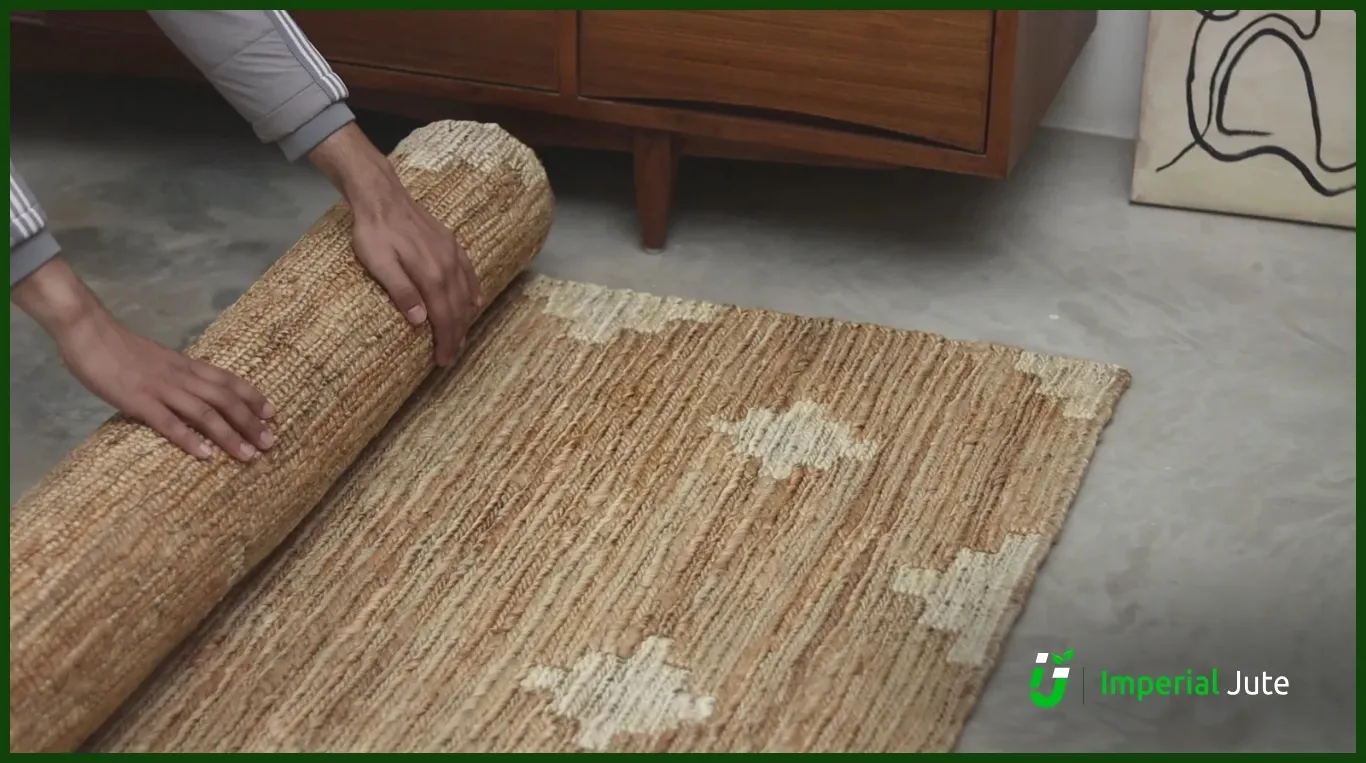
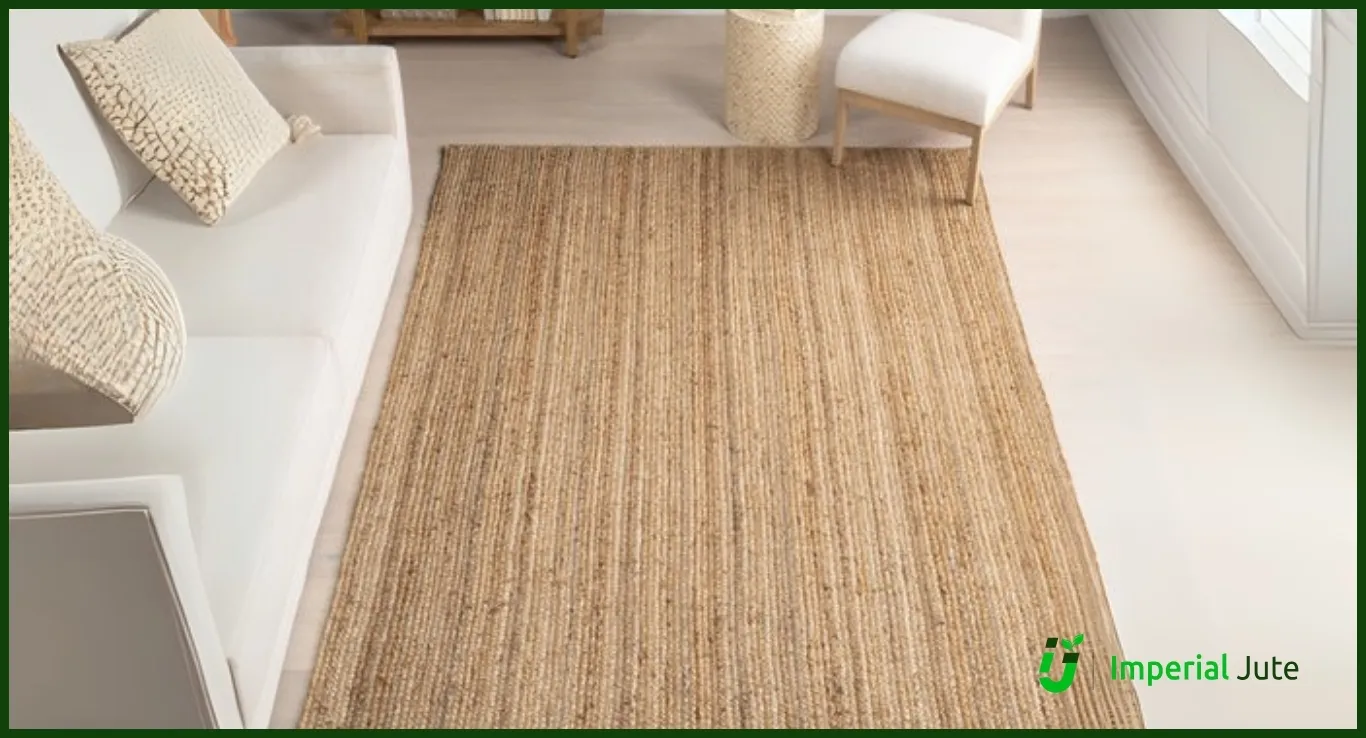
Woven jute rugs and bags stacked for wholesale

Woven Jute Bags & Rugs in Bulk for Wholesale

Woven jute products have become central to global sustainability efforts, with rising demand across retail, hospitality, and agriculture. As countries enforce plastic bans, biodegradable materials like jute are gaining traction. The European Union, for instance, aims to reduce single-use plastic packaging by 50% by 2030. Bangladesh, the world’s largest jute exporter, offers a robust supply chain for high-volume, customizable jute bags and rugs. These products meet both environmental and functional requirements, making them a preferred choice for international buyers seeking durable, eco-certified alternatives for bulk import and commercial use.

Market Demand & Sustainability Advantage of Woven Jute Products

Woven jute products present a compelling business case, driven by growing global demand for sustainable goods, favorable import margins, and eco-conscious consumer trends.

Global Trends in Jute-Based Products

Jute-based goods are experiencing exponential growth as more industries adopt sustainable supply chains. According to a 2024 report by Research and Markets, the global jute bag market is projected to reach USD 3.1 billion by 2027, driven by increasing restrictions on plastic packaging across Europe, the US, and Asia.

Retailers are shifting to jute tote bags for grocery chains and branded promotions. Interior designers and hospitality brands are also investing in natural woven rugs for eco-conscious hotel aesthetics. This multi-sector demand continues to expand export potential, particularly for manufacturers in Bangladesh, the world’s largest exporter of jute goods.

Why B2B Buyers Are Choosing Jute Over Synthetic Alternatives

Jute bags and rugs offer biodegradable value while maintaining strength and durability. Unlike synthetic products, which can take centuries to degrade, jute decomposes within 1 to 2 years under natural conditions. This environmental edge allows importers to meet both government regulations and consumer expectations.

Moreover, woven jute materials can withstand regular commercial use. For instance, laminated woven jute bags can carry up to 15–20 kg, while jute rugs maintain structure even in high-traffic areas like hotel lobbies.

Industrial and Commercial Applications (Retail, Gifting, Interior, Agriculture)

Woven jute goods cater to a wide variety of B2B verticals. Retailers use printed jute bags for sustainable packaging. Event organizers and corporate brands order them for eco-promotional gifting. Hotels and interior decor suppliers buy jute rugs to add organic aesthetics to modern spaces. Agriculture businesses source jute sacks and floor mats for their natural ventilation and biodegradability.

As a result, these products hold high repeat-purchase potential across seasonal and long-term business needs.

Types of Woven Jute Rugs Offered for Export

Woven jute rugs come in various textures, sizes, and finishes, designed to meet the functional and aesthetic demands of global commercial buyers.

Flat Woven Jute Rug – Affordable and High-Volume

Flat woven jute rugs are thin, flexible, and produced in high volumes—making them ideal for bulk orders. Their minimalist texture and lightweight profile suit online retail and furniture stores. They also ship easily, reducing freight costs for global importers.

These rugs are often used in casual spaces, Airbnb units, and minimalist homes. With common GSM ranges from 180 to 250, they strike a balance between economy and quality.

Hand-Woven Jute Rug – Premium Grade for Luxury Retail

Hand-woven jute rugs appeal to the premium décor market. Each rug showcases artisanal craftsmanship, often featuring braided, looped, or textured weaves. Exporters like Imperial Jute collaborate with skilled artisans to deliver consistent handmade quality at scale.

These rugs are popular in boutique hotels, wellness studios, and luxury home décor stores. With GSM often exceeding 300, they provide plushness and durability that justify premium markups in retail.

Large Woven Jute Rugs – For Hotel Chains, Decor Stores & Interior Projects

Large-format rugs, such as 6×9 ft, 8×10 ft, or 10×12 ft, are in demand by interior designers and large-scale hospitality projects. They are often used to cover open floor areas, define lounge spaces, or complement wooden interiors.

Importers should consider container load efficiency and moisture-resistant packaging when sourcing these rugs. Imperial Jute offers vacuum-sealed rolls for efficient logistics.

GSM, Size, and Color Customization Options for Rugs

Imperial Jute offers full customization—sizes from 2×3 ft to 12×14 ft, GSM between 180 to 350, and dyeing options in both natural and Pantone-matched colors. Rug borders can be tailored in jute rope, cotton lining, or hemmed edges. Exporters also provide anti-slip latex or felt backings on request, ideal for hospitality clients.

Bulk Woven Jute Bags – Sizes, Finishes, and Custom Branding

Woven jute bags are versatile, customizable, and widely used in retail, corporate gifting, and sustainable packaging markets.

Standard Bag Sizes for Bulk Orders (e.g., 14×16″, 16×20″)

Bulk buyers typically source standard sizes to optimize cost and usability. Common formats include 14×16 inches, 16×20 inches, and 18×22 inches, with gusseted bottoms or flat panels. These dimensions fit most grocery items, promotional goods, and daily-use retail needs.

Imperial Jute provides size charts based on past high-demand exports, helping importers align with regional consumer habits.

Custom Printing – Screen Print, Lamination, Labeling, Pantone Matching

Branding is critical for resale. Exporters offer screen printing with up to 6 colors, lamination for a glossy finish, and inside pocket or zipper integration. Pantone color matching ensures brand consistency, especially for fashion retailers and FMCG companies.

Buyers can also add woven labels, hang tags, or barcode inserts to match local compliance and marketing needs.

Weight Capacity and Stitching Standards

Durability is a major factor in B2B sourcing. Woven jute bags from Imperial Jute can support 10 to 20 kg, depending on the GSM and stitching style. Double-stitched seams and reinforced handles ensure the bags perform under stress.

Strength tests and drop testing reports are provided for corporate clients and retailers with high-load use cases.

Applications – Grocery Retail, Promotional Gifting, Packaging & Exports

These bags are widely used by supermarkets, boutique retailers, trade show exhibitors, and packaging companies. Many buyers use them for holiday campaigns, CSR giveaways, and eco-brand activations. Due to their reusability, one-time events often turn into long-term reorder contracts.

Get Your Favorite Jute Goods From Imperial Jute

We are offering a wide range of different colored, sizes and bulk quantities of jute goods at affordable prices. Let’s check the capability of supplying over 40 tons of jute goods each day ensuring great quality and design that must assure your needs!

How to Clean and Maintain Woven Jute Rugs in Retail or Commercial Use

Proper care extends the life of jute rugs, minimizes customer complaints, and boosts satisfaction in retail and hospitality sectors.

Vacuuming, Spot-Cleaning, and Stain Removal for Jute Rugs

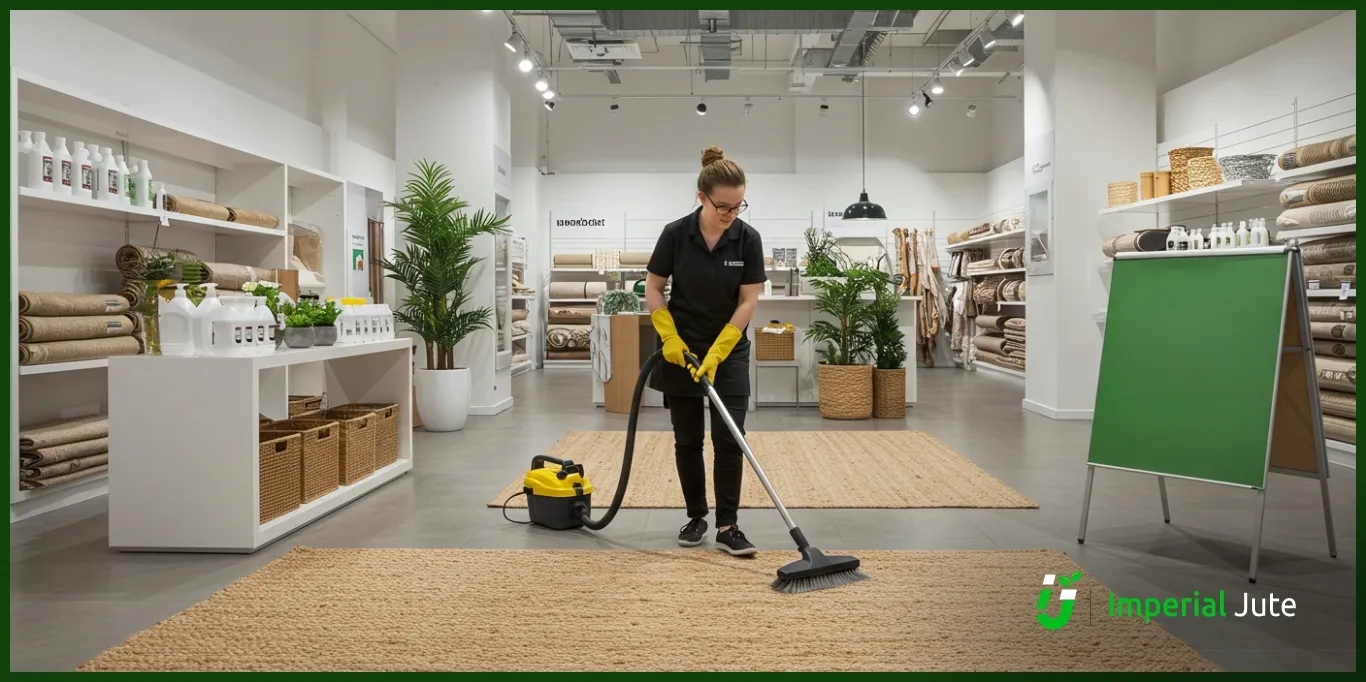
Regular vacuuming with a brushless head helps prevent fiber shedding. For stains, blotting with diluted vinegar or mild soap works well without damaging fibers. Avoid scrubbing, as it weakens the weave.

Retailers often provide QR code care guides to educate end users and reduce return rates.

Storage and Moisture Protection in Warehouses

Jute is sensitive to moisture. Rugs should be stored in well-ventilated, dry environments. Wrapping with breathable fabric or storing on pallets avoids fungal growth. For long-term storage, silica gel packets or dehumidifiers help preserve quality.

Importers handling warehouse stock should ensure that rotation practices are in place to avoid rug curl or fiber compression.

Cleaning Guidelines for Hospitality and Decor Clients

Hotels and spas using jute rugs must follow low-moisture cleaning methods. Dry shampooing and spot steaming with handheld devices are recommended. Avoid full submersion cleaning as it can distort shape and color.

Imperial Jute provides cleaning instruction cards with every shipment for high-volume buyers in decor and hospitality.

How to Source Woven Jute Bags & Rugs from Bangladesh – Step by Step

A clear and well-documented sourcing process makes it easier for importers to place confident, bulk orders while minimizing risks and delays.

Sample Request and MOQ Details

Imperial Jute offers free or paid samples, depending on the product type and order volume. Most export-grade samples are sent via DHL or FedEx within 5–7 business days. Minimum order quantities (MOQ) typically start from 500–1,000 pieces for bags and 50–100 units for rugs.

Buyers can request custom samples with printing or size changes for validation before confirming bulk production.

Lead Time, Production Schedule, and Port Information

Lead times range from 2 to 6 weeks, depending on the order size and customization requirements. Standard products from stock can be dispatched in 7–10 days. All goods are shipped via Chattogram Port, the largest seaport in Bangladesh, which has efficient access to maritime routes to the Middle East, EU, and North America.

Buyers are regularly updated on production milestones, including raw material processing, weaving, finishing, printing, and final inspection.

Pricing Models – FOB, CNF, CIF

Pricing models are flexible to suit different import policies. Imperial Jute supports:

  • FOB (Free on Board) – ideal for buyers with their own freight forwarders
  • CNF (Cost & Freight) – cost-effective for bulk shipments to major ports
  • CIF (Cost, Insurance, Freight) – ensures end-to-end coverage for new importers

Price quotes include packaging, documentation, and clearance fees. Volume-based discounts are also available.

Private Label and White-Label Partnerships

B2B buyers can opt for private-label production with full branding or white-label sourcing for resale under their own name. Imperial Jute offers NDA-based white labeling for businesses wanting exclusive product lines without revealing the source.

Services include custom woven labels, branded inserts, and barcode-ready retail packaging for direct-to-store delivery.

Why Imperial Jute? Trusted Manufacturer & Exporter in Bangladesh

Imperial Jute stands out as a preferred sourcing partner for woven jute bags and rugs due to its reliable manufacturing, global logistics, and customer-focused service.

Production Capacity and Factory Capabilities

Imperial Jute operates with a daily production capacity of 15,000+ bags and 500+ rugs, powered by advanced looms and semi-automatic finishing units. The factory employs skilled artisans, compliance officers, and QA professionals who oversee each production batch.

Custom projects are supported by an in-house design team that helps buyers with pattern adjustments, artwork layouts, and packaging design.

Export Footprint – 20+ Countries

The company exports to over 20 countries, including the USA, Germany, UAE, Japan, Ghana, Saudi Arabia, and Australia. Buyers range from supermarkets and decor stores to governments and NGOs sourcing eco-packaging for CSR programs.

Imperial Jute’s experience in handling global compliance, language-specific labeling, and port documentation ensures smooth customs clearance in most regions.

Client Testimonials and Repeat Order Rate

Over 65% of buyers place repeat orders thanks to consistent product quality, clear communication, and timely delivery. Testimonials from buyers highlight Imperial Jute’s flexibility in handling urgent shipments, transparency in pricing, and commitment to sustainable sourcing.

Buyers also appreciate the proactive support during pre-shipment inspections, lab certifications, and freight bookings.

Get Your Favorite Jute Goods From Imperial Jute

We are offering a wide range of different colored, sizes and bulk quantities of jute goods at affordable prices. Let’s check the capability of supplying over 40 tons of jute goods each day ensuring great quality and design that must assure your needs!

FAQs for Importers of Woven Jute Bags and Rugs

This section addresses common questions international buyers ask before placing orders for jute products.

Are woven jute bags biodegradable and plastic-free?

Woven jute bags are biodegradable and plastic-free. Jute is a natural plant fiber that decomposes within 1 to 2 years in composting conditions. These bags contain no synthetic plastics, making them an eco-friendly alternative to plastic bags for shopping and packaging.

Can I get fully custom-sized bags or rugs?

You can get fully custom-sized bags or rugs from most jute and textile manufacturers. These companies allow you to specify exact dimensions, materials, and design features to meet your needs. Customization is common in bulk orders and supports retail, packaging, and home décor use.

What’s the typical delivery time for bulk orders?

The typical delivery time for bulk orders ranges from 3 to 6 weeks. Delivery time depends on order size, customization requirements, and shipping location. Local orders may arrive faster, while international shipments may take longer due to logistics and customs clearance.

Do you support third-party inspections or audits?

Most manufacturers support third-party inspections or audits. These inspections ensure product quality, ethical labor practices, and compliance with international standards. Buyers can arrange for independent auditors to visit the facility before, during, or after production.

Jute sacking bags being loaded for export in Malaysia

Best Jute Sacking Bags Exporter In Malaysia

Malaysia’s jute sacking bag exports have seen a remarkable rise in recent years, driven by eco-conscious businesses. But have you ever wondered how a traditional, biodegradable material became a modern trading sensation? This sustainable trend showcases Malaysia’s commitment to both environmental responsibility and economic growth.

Historically rooted in the Southeast Asian region, Malaysia’s jute industry has leveraged its strategic location for extensive trade. Exporters here cater to markets across Europe and North America, supported by an agglomeration of skilled craftsmanship and advanced logistics. In 2022 alone, the export value surged by 30%, reflecting not just the global demand but also Malaysia’s prowess in sustainable packaging solutions.

Malaysia’s jute sacking bag exporters are pivotal in the global market, meeting high demand for sustainable packaging solutions. They adhere to international quality standards, ensuring durable and eco-friendly products. Exporters leverage Malaysia’s strategic location and robust logistics, making timely deliveries to various industries worldwide.

Rising Demand in Malaysia’s Jute Bags Market

Malaysia’s jute bag market is experiencing significant growth, driven by a global push for sustainable packaging and increasing domestic awareness of environmental impact. As businesses and consumers move away from plastic, jute sacking bags have become the preferred alternative across multiple industries.

One of the biggest demand drivers is the agricultural sector, where jute bags are widely used to store and transport crops like rice, cocoa, coffee, and palm kernel. These bags offer breathability, strength, and biodegradability—features ideal for perishable goods.

The retail and wholesale sectors are also shifting toward eco-friendly packaging. Many brands now adopt jute bags not just for functionality but also to align with sustainability values. Supermarkets, fashion retailers, and exporters are integrating jute-based options into their supply chains to meet customer expectations and ESG goals.

In parallel, government policies and green procurement initiatives are accelerating this shift. Malaysia’s support for plastic reduction, alongside incentives for eco-conscious packaging, has created favorable conditions for jute-based solutions to thrive.

The result is a strong and rising market demand, with Malaysian exporters ramping up production and exploring new trade routes across ASEAN, the Middle East, and Europe. As jute bags continue gaining traction as a cost-effective and ethical packaging solution, Malaysia is positioning itself as a key player in the global sustainable packaging industry.

Jute Sacking Bag Types and Specifications for Export

Jute sacking bags are primarily used in agriculture, food packaging, and bulk commodity storage. For buyers seeking durable, breathable, and biodegradable solutions, understanding the available types and specifications is essential for selecting the right product.

1. A Twill Jute Bag

These are heavy-duty bags commonly used for packing rice, wheat, and other grains. A Twill sacks typically weigh around 2.25 lbs and can hold up to 100 kg of content. They are suitable for export markets demanding high tensile strength and moisture control.

2. B Twill Jute Bags

B Twill is slightly lighter than A Twill, widely used for sugar, coffee, or flour exports. Standard capacity is 90–100 kg with a fabric weight of 1.8–2.0 lbs. Their breathability makes them ideal for perishable agricultural goods.

3. L Twill and D.W. Bags

These are lighter jute sacks used for packing fertilizers, charcoal, and industrial raw materials. They offer good load capacity at reduced cost and weight.

4. Binola Jute Sacks

Designed explicitly for cottonseed (binola) and oilseed industries, these sacks have coarser weaving and extra durability to handle rougher commodities.

Common Specifications

ParameterSpecification Range
Material100% natural jute fiber
Weight (GSM)210–320 GSM
Capacity50–100 kg
Bag Size44″x26″, 43″x29″, 40″x26″ (customizable)
StitchingHemmed mouth & herakle stitching
LaminationOptional LDPE or BOPP lamination
PrintingCustom branding available (1–3 color)
FinishHydrocarbon-free and food-grade options

Malaysian exporters offer customization based on destination country, product type, and moisture level. All sacks can be pre-treated with vegetable oil batching for food-safe use or with water-repellent coatings for industrial packaging.

Whether you are sourcing sacks for bulk grains, industrial inputs, or retail packaging, Malaysian jute sacking bag exporters ensure consistent quality, compliance, and competitive lead times for international orders.

Buy Jute Sacking Bags from Trusted Bangladeshi Exporters

Bangladesh is the world’s leading source of high-quality jute sacking bags, supplying over 90% of global demand. With a long-standing heritage in jute cultivation and processing, Bangladeshi exporters offer unmatched expertise, volume capacity, and competitive pricing for bulk buyers across agriculture, retail, and industrial sectors.

When you buy jute sacking bags from Bangladesh, you gain access to:

  • Diverse bag types: A Twill, B Twill, L Twill, Binola, and custom sizes
  • Bulk availability: Monthly export capacity exceeding 1 million units
  • International standards: ISO-certified, food-grade, and eco-compliant
  • Custom branding: Print-ready bags with your logo and specifications
  • Flexible shipping terms: FOB, CIF, and port-to-door delivery options

Get Your Favorite Jute Goods From Imperial Jute

We are offering a wide range of different colored, sizes and bulk quantities of jute goods at affordable prices. Let’s check the capability of supplying over 40 tons of jute goods each day ensuring great quality and design that must assure your needs!

Bangladeshi exporters also offer value-added services such as lamination, batching oil treatment, and moisture-resistant coatings, tailored to the destination country and end-use industry.

Whether you’re a grain distributor, retailer, or importer seeking sustainable packaging, sourcing directly from Bangladesh ensures consistent quality, reliable lead times, and strong after-sales support. Major markets include the Middle East, Southeast Asia, Africa, Europe, and North America.

Working with a trusted Bangladeshi jute bag exporter means partnering with a supplier who understands your industry needs, offers competitive rates, and delivers eco-friendly products without compromising on durability or compliance.

Global Trends Influencing the Demand

Worldwide, the shift towards sustainability is a driving force behind the demand for jute sacking bags. Governments and organizations are banning single-use plastics, prompting the need for eco-friendly alternatives. As awareness grows, consumers are increasingly choosing products with less environmental impact. This global trend places jute bags in a favorable position. Their biodegradable nature resonates with the ongoing green movement.

An additional factor is the rise of green certifications and eco-labels. Both businesses and consumers prefer products like jute bags that meet these standards. This ensures that the sourcing and production processes are environmentally responsible. For instance, many companies now include jute bags in their supply chains to adhere to these certifications. This trend helps enhance the credibility of jute products.

The fashion industry also plays a significant role. Designers and brands are incorporating jute into their collections, creating a new appeal for this natural material. From stylish tote bags to trendy accessories, jute’s versatility is being explored. This Innovation not only boosts demand but also introduces jute to a broader audience. As a result, jute sacking bags have become more mainstream and trendy.

Additionally, the push for corporate social responsibility (CSR) has impacted the demand for jute bags. Companies are expected to adopt sustainable practices, and using jute products is one way to meet these expectations. Lists of eco-friendly companies often highlight those that utilize jute bags. This increases the visibility and acceptance of jute products globally. Therefore, CSR initiatives significantly influence the market demand for jute.

Roles of Jute Sacking Bags Exporters in Malaysia

Jute sacking bag exporters in Malaysia play a crucial role in meeting global demand. They act as the bridge between local producers and international buyers. By maintaining strict quality controls, these exporters ensure that the jute bags meet international standards. In addition, they oversee logistics to guarantee timely deliveries. This reliability helps build long-term partnerships with buyers.

Another key role involves promoting sustainable practices. Exporters encourage the use of eco-friendly materials, aligning with global environmental goals. They work closely with farmers and manufacturers to source jute that is grown and processed responsibly. Their environmental certifications often highlight their commitment to sustainability, which is reflected in the lists they provide. This transparency enhances their credibility in the global market.

Exporters also focus on Innovation. They continually seek ways to improve the design and functionality of jute sacking bags. It’s not just about producing any bag but creating ones that offer added value to customers. This may include enhanced durability or custom branding options. Such improvements make jute bags more attractive to various industries.

Marketing and market expansion are other significant roles. Exporters utilize various channels to reach new markets and increase brand visibility. They participate in international trade shows and exhibitions to showcase their products. Networking at these events opens doors to new business opportunities. As a result, Malaysian jute bags gain a foothold in markets worldwide.

Environmental Impact and Sustainability of Jute Sacking Bags 

Jute sacking bags have a minimal environmental impact compared to plastic alternatives. Jute is a natural fiber, completely biodegradable and compostable. This means it returns to the earth without causing pollution. Additionally, jute plants require little water and few chemical fertilizers. These characteristics make jute an environmentally sustainable choice for packaging.

The sustainability of jute extends beyond its biodegradability. Growing jute also helps improve soil quality. The deep root system of jute plants prevents soil erosion and increases soil fertility. This makes jute cultivation beneficial for agricultural sustainability. It’s a win-win for both farmers and the environment.

Jute sacking bags contribute to reducing carbon footprints. The production process for jute bags generates significantly lower greenhouse gas emissions than plastic bag production. This helps in battling climate change. By choosing jute bags, businesses can send a positive message about their commitment to the environment. This also resonates well with eco-conscious consumers.

Transitioning to jute bags can also support local economies. Most jute is grown in developing countries, providing jobs and income to rural communities. The cultivation and processing of jute create employment opportunities. This helps in improving the quality of life for many families. Thus, the benefits of jute bags are both environmental and socio-economic.

Moreover, jute sacking bags are reusable and durable. Unlike single-use plastic bags, jute bags can be used multiple times. This reduces the need for frequent replacements and further cuts down on waste. Lists of households opting for jute bags instead of plastic ones show significant waste reduction. These small changes can lead to a substantial positive impact on our planet.

Economic Contribution of the Jute Sacking Bags Industry in Malaysia

The jute sacking bags industry plays a vital role in Malaysia’s economy. It generates significant revenue through exports. These bags are in high demand in international markets, especially in the agriculture and retail sectors. As a result, the jute industry boosts Malaysia’s trade balance. This brings in foreign exchange and strengthens the nation’s economy.

Jute bag production creates numerous jobs. From farming to manufacturing and exporting, the supply chain is extensive. This provides employment opportunities for many Malaysians. Lists of job categories in the jute industry include roles such as farmers, factory workers, and logistics experts. This job creation helps lift communities out of poverty.

Small and medium-sized enterprises (SMEs) benefit greatly from the jute industry. Many SMEs are involved in the cultivation and processing of jute. They contribute to local economies by providing jobs and supporting related industries. These small businesses often collaborate with larger companies for export, expanding their market reach. This symbiotic relationship aids economic growth.

The jute industry also spurs investment in infrastructure. To meet global demand, there is a need for improved manufacturing facilities and better transportation networks. These investments lead to the development of rural and urban areas alike. Improved infrastructure benefits not just the jute industry, but other sectors as well. This can have a lasting impact on overall economic development.

Government initiatives and support have further bolstered the industry’s economic contributions. Subsidies for jute farmers and manufacturers encourage continued growth. Policies promoting sustainable practices attract international buyers looking for eco-friendly options. By incentivizing the jute industry, the government helps ensure its long-term viability. This support strengthens Malaysia’s position in the global market.

Challenges Faced by Jute Sacking Bags Exporters in Malaysia

Exporters of jute sacking bags in Malaysia face a variety of challenges. One primary issue is fluctuating raw material prices. Jute prices can be unpredictable, impacting the cost of production. This fluctuation makes it difficult to maintain consistent pricing for international buyers. The volatility can hinder long-term contracts and stability.

Another significant challenge is competition from synthetic alternatives. Despite the environmental benefits of jute, cheaper plastic alternatives remain popular. Competing with these plastic products on price is tough for jute exporters. To tackle this, exporters need to emphasize the eco-friendly benefits of jute bags. However, convincing consumers to pay a premium can be challenging.

Supply chain disruptions also pose threats to jute exporters. Factors like weather conditions and transportation issues can delay shipments. These disruptions can result in missed deadlines and strained client relationships. Investing in more robust logistics solutions can mitigate some of these risks. Nonetheless, unforeseen disruptions remain a persistent concern.

International regulatory standards add another layer of complexity. Different countries have varying regulations regarding the import of jute products. Meeting these diverse standards requires constant monitoring and adjustments. Exporters must stay updated on the latest compliance requirements. This is an ongoing effort that demands resources and expertise.

Issues related to quality control further complicate the export process. Ensuring that the jute bags meet international quality standards is critical. Any lapse in quality can damage the exporter’s reputation. Routine checks and certifications are essential, but they add to operational costs. Maintaining high standards necessitates a well-trained workforce and rigorous practices.

The Future of Jute Sacking Bags Export Industry in Malaysia

The future of the jute sacking bags export industry in Malaysia looks promising. One major reason is the growing awareness and acceptance of sustainable practices. Companies and consumers worldwide are shifting toward eco-friendly alternatives. This shift provides a robust market for jute products. As sustainability becomes more mainstream, demand for jute bags is expected to rise.

Innovation will play a key role in the future development of this industry. By incorporating new technologies, exporters can enhance the quality and functionality of jute bags. For example, blending jute with other materials could produce stronger, more versatile bags. These improved products will cater to broader markets and diverse applications. Investment in research and development is thus crucial.

The digitalization of business operations also holds promise for Malaysian exporters. E-commerce platforms offer a global marketplace for jute sacking bags. Exporters leveraging these platforms can reach a broader audience easily. Enhanced online presence can lead to increased sales and brand recognition. Digital marketing strategies may include social media campaigns and search engine optimization.

Government support is another factor that bodes well for the industry’s future. Continued policies promoting sustainability could further boost the jute sector. Tax incentives and subsidies for eco-friendly businesses may encourage more players to enter the market. This creates a favorable environment for growth and innovation within the industry.

Strategic partnerships could further strengthen Malaysia’s position as a leading exporter of jute bags. Collaborations with international firms can provide access to advanced technologies and new markets. Such partnerships foster knowledge exchange that benefits all parties involved. Therefore, building strong alliances with global companies can offer promising opportunities.

Frequently Asked Questions

Here are some common questions and answers about the jute sacking bags export industry in Malaysia. These will help you understand more about the topic.

1. Why is there a growing demand for jute sacking bags?

The demand for jute sacking bags is increasing due to their eco-friendly properties. People are becoming more aware of environmental issues and prefer biodegradable options like jute over plastic.

Additionally, jute bags are durable and cost-effective, making them an attractive choice for packaging. Many industries, such as agriculture and retail, find them beneficial for storing and transporting goods.

2. How do Malaysian exporters ensure the quality of jute sacking bags?

Malaysian exporters maintain quality by adhering to international standards. They implement strict quality control measures at every stage of production.

This includes regular inspections and testing to ensure durability and strength. These practices help build trust with global buyers who expect high-quality products.

3. What challenges do jute sacking bag exporters face?

One major challenge is the fluctuating prices of raw materials. This makes it hard to keep consistent pricing for buyers.

Another issue is competition from cheaper plastic alternatives. Despite being eco-friendly, convincing customers to pay more for jute can be challenging.

4. What role does technology play in the jute bag industry?

Technology helps improve both production efficiency and product quality in the jute bag industry. Innovations include advanced weaving techniques and better logistics management systems.

These advancements allow exporters to produce stronger, more versatile bags while also ensuring timely delivery to international markets.

5. How does government policy impact the jute sacking bag industry?

The Malaysian government offers various subsidies and incentives to promote sustainable practices in the jute industry. Policies favoring eco-friendly products help increase demand for jute bags both locally and internationally.

This support not only benefits exporters but also encourages farmers to cultivate more jute, leading to expanded production capabilities.

Conclusion

The jute sacking bags industry in Malaysia stands at the crossroads of sustainability and economic growth. With rising global demand, there is immense potential for expanding exports. However, overcoming challenges like fluctuating raw material prices and competition from synthetic alternatives remains crucial.

Continued government support and innovations will be vital to future success. As more industries and consumers embrace eco-friendly practices, the role of jute sacking bags exporters will grow even more significant. The road ahead is promising, filled with opportunities to make a lasting impact.

Hessian Fabric Bags In Algeria

Hessian Fabric Bags In Algeria

Hessian fabric bags, also known as burlap or jute sacks, have become an essential part of industrial and agricultural packaging in Algeria. As businesses shift toward sustainable and cost-effective materials, hessian bags have emerged as a reliable solution for bulk storage, export packaging, and agricultural transport.

This article examines the growing presence of hessian fabric bags in the Algerian market, covering their applications across various industries, procurement considerations, differences between fabric and cloth bags, and key factors to consider when importing or sourcing in bulk.

What Are Hessian Fabric and Cloth Bags? A Quick Overview

Hessian fabric bags are strong, breathable, and biodegradable sacks made from jute fibres. They are used for packaging and transporting various goods, especially in agriculture, food, and construction industries.

These bags are often confused with cloth bags. While both terms are used interchangeably, they refer to slightly different aspects. “Hessian fabric” emphasises the woven structure and fibre content, whereas “hessian cloth” tends to describe the texture and specific end uses.

Hessian fabric bags offer durability and airflow, making them ideal for perishable goods such as produce, seeds, and grains. Their biodegradability aligns with Algeria’s growing interest in eco-friendly packaging. Due to their coarse texture, hessian cloth is also popular in design and crafts, but bulk buyers often prioritise fabric-based durability over aesthetic finish.

Fabric vs. Cloth – Is There a Difference?

Yes, there is a practical distinction between hessian fabric and cloth bags, especially in procurement and manufacturing.

“Hessian fabric bags” are generally woven from raw or semi-processed jute fibers with a focus on strength, breathability, and load capacity. These are typically used in agricultural or industrial supply chains. On the other hand, “hessian cloth bags” may refer to lighter, more refined jute products with softer textures, often used for packaging artisanal goods or for retail branding.

This difference matters when sourcing. Industrial buyers in Algeria often seek high GSM (grams per square meter) and tighter weave density. Retail-focused buyers, meanwhile, might prioritize finish, printability, and customer experience. Misinterpreting these labels can lead to unsuitable product specs during import or procurement.

Procurement Considerations for Hessian Bags in Algeria

Selecting the right hessian bag depends on several technical specifications. Fabric density, weave type, moisture protection, and branding options all impact the bag’s suitability for different industries.

Understanding these variables helps Algerian importers avoid mismatches between product function and industrial needs.

GSM, Size, and Weave Options

GSM refers to the fabric’s weight and density. Most hessian bags used for bulk packaging in Algeria fall between 275 to 340 GSM. This range supports strength while maintaining flexibility and breathability.

Common sack sizes include 22″x36″, 24″x40″, and 26″x44″, though dimensions can be customized based on payload requirements. Heavier goods like cement or sand need tighter weaving and thicker fabrics, while lighter agricultural items may require more breathable construction.

Plain weave is the most common type used for general packaging. Twill weave, which offers diagonal ribbing, provides more tear resistance and is better for heavier-duty use. The choice of weave impacts durability and is often decided based on the product being stored or shipped.

Laminated vs. Non-Laminated Sacks

Lamination adds a thin plastic layer to the inside of hessian bags, offering moisture resistance and protecting goods from humidity or spoilage. Laminated sacks are commonly used for powdered substances, cement, and food grains.

Non-laminated hessian sacks, in contrast, are preferred for breathable storage, especially in agriculture. They allow for air circulation, reducing mold or moisture build-up. Algerian buyers sourcing sacks for dates, onions, or seed potatoes usually opt for non-laminated options to preserve freshness.

The choice depends entirely on the product and the logistics environment, including whether the goods are stored indoors or exposed to variable weather during transit.

Bulk Order Requirements and Custom Branding

Most international suppliers offering hessian bags require a minimum order quantity (MOQ), often starting at 10,000 units. This ensures cost-efficiency in manufacturing and shipping.

Custom branding is also available. Buyers can request logo printing, colored stitching, or size adjustments. These custom features are especially valuable for exporters or wholesalers looking to maintain brand identity while offering sustainable packaging.

Suppliers in India and Bangladesh—two of the largest jute producers—often provide white-label or private-label services for Algerian buyers, along with packaging in bundles for easy warehousing and distribution.

Importing Hessian Cloth Bags into Algeria: What Buyers Should Know

Importing Hessian bags into Algeria requires a thorough understanding of trade routes, regulations, and supplier reliability. Familiarity with the process can help minimise customs delays and prevent compliance issues.

Leading Export Markets Supplying Algeria

India and Bangladesh dominate the global jute market, accounting for over 90 percent of global exports. Algerian importers typically source from Dhaka, Kolkata, or Chennai, as these cities are hubs for jute manufacturing.

Transit time from South Asia to Algeria ranges from 20 to 35 days, depending on shipping mode and port congestion. Most exporters offer FOB (Free on Board) terms, where the buyer assumes responsibility once goods are loaded onto the vessel. Some offer CIF (Cost, Insurance, Freight) for convenience.

These countries offer access to affordable, high GSM hessian bags with wide customisation and compliance options. Their established export experience also helps minimise shipment risk.

Choosing the Right Supplier: What to Evaluate Before Ordering

Not all hessian bag suppliers offer the same quality, service level, or compliance readiness. Choosing a supplier based solely on price can result in poor product quality, missed deadlines, or compliance issues.

Algerian businesses should perform due diligence before confirming orders.

Quality Audits and Factory Certifications

Trustworthy suppliers often hold certifications like ISO 9001 for quality management or GOTS for organic fiber handling. These certificates indicate adherence to international standards.

Factory audits by third parties such as SGS or Bureau Veritas can also help buyers assess a supplier’s production capacity, labour practices, and quality control systems. Large-scale Algerian importers often request third-party audits as a standard practice before entering annual contracts.

Buyers can also request sample lots for on-site testing to verify GSM, stitching, and weave accuracy.

FAQs on Hessian Fabric Bags

1. What is hessian fabric?

Hessian fabric, also known as burlap (mainly in North America), is a coarse, woven textile made from jute fibers. It’s breathable, biodegradable, and highly durable, making it ideal for packaging, agriculture, crafts, and home décor. Hessian is valued for its rustic appearance and eco-friendly properties, often used in sustainable fashion and reusable bags.

2. Where can I buy hessian fabric?

You can purchase hessian fabric from textile wholesalers, craft supply stores, fabric retailers, or online platforms like Amazon, Etsy, and Uline. For bulk orders or custom sizes, manufacturers and exporters such as Imperial Jute offer high-quality hessian in rolls, sheets, or bag form for both industrial and decorative purposes.

3. How to paint on hessian fabric?

To paint on hessian fabric:

  1. Stretch and secure the fabric to avoid wrinkles.
  2. Apply a thin layer of fabric primer or gesso to reduce paint bleeding.
  3. Use acrylic or fabric paints with stiff-bristle brushes or stencils.
  4. Allow each layer to dry fully before adding details.
  5. Seal with a fabric fixative to enhance durability and wash resistance.

Hessian’s coarse weave gives a rustic look but may absorb more paint, so plan for texture variations.

4. How to clean a hessian bag?

To clean a hessian bag:

  • Shake off loose debris and gently spot clean with a damp cloth and mild soap.
  • Avoid machine washing, as agitation can weaken the fibers.
  • Let the bag air dry naturally in a shaded area.
  • For odors, sprinkle baking soda inside, let sit, and then shake out.

Do not wring, bleach, or dry under direct sun, as this may shrink or discolor the fabric.

5. What is the difference between jute and hessian?

Jute is the raw fiber derived from the jute plant, while hessian is the finished woven fabric made from that fiber. Think of jute as the raw material and hessian as the product. Jute is also used to make other materials, such as sacking, ropes, and yarn. In summary, all hessian is made from jute, but not all jute becomes hessian.

Conclusion

Hessian fabric bags offer Algerian industries a powerful combination of sustainability, durability, and cost-effectiveness. They meet the growing demand for eco-conscious packaging while serving the practical needs of agriculture, manufacturing, and export logistics.

By understanding the differences between fabric and cloth bags, evaluating supplier standards, and preparing the correct import documentation, buyers can make informed, confident sourcing decisions. As Algeria deepens its commitment to sustainable practices, hessian bags stand out as a dependable bulk packaging solution that aligns with both environmental and economic goals.

Large Burlap Bags Bulk In Algeria

Large Burlap Bags Bulk In Algeria

Algeria’s demand for large burlap bags continues to grow across agriculture, construction, and export industries. These eco-friendly, durable sacks, typically made from jute or hessian, serve a wide range of bulk storage needs from grains to building materials. Their popularity in Algerian markets is tied to their affordability, reusability, and breathability, which makes them ideal for local climate conditions.

This article provides a comprehensive overview of Algeria’s large burlap bag market, including standard sizing, GSM specifications, sourcing options, supplier selection, customization, and export documentation. For B2B buyers, understanding the differences between domestic and imported options, cost structures, and printing capabilities is critical to making informed procurement decisions.

Common Specifications of Large Burlap Bags (Algeria Market)

SpecificationDetails
Common Sizes (inches)22×36″, 24×40″, 26×44″
Load Capacity50kg, 60kg, 100kg
Usage by Size– 22×36″: Pulses, wheat, grains
– 24×40″: Dates, legumes
– 26×44″: Cement, cocoa, coffee
ComplianceSuitable for local use and international shipping
StackabilityDepends on weave density and material stiffness

GSM & Weave Characteristics

AttributeDetails
Standard GSM Range220 GSM to 320 GSM
Application by GSM– 220–260 GSM: Short-distance or lighter materials
– 280–320 GSM: Heavy-duty, export-ready bags
Weave Types– Open weave: Used for onions, potatoes, produce
– Tight weave: Used for coffee, cocoa, fine grains
Functional Benefits– Open weave: Breathability and moisture control
– Tight weave: Protection from dust, pests, and damage
Stacking EfficiencyHigher with tighter weave and higher GSM

Laminated vs Non-Laminated Options

Laminated burlap bags are growing in demand, especially in regions with higher humidity or for goods stored long-term. A laminated sack adds a thin plastic coating, which enhances water resistance and prevents material seepage.

Non-laminated versions, however, remain dominant in agriculture due to their breathability and biodegradability. Laminated bags offer better surface finish for branding and ensure higher resistance to odor absorption and mildew, key factors in export compliance.

Key Applications of Large Burlap Sacks in Algerian Markets

Large burlap sacks are essential across Algeria’s primary industries, providing a cost-effective and sustainable solution for packaging and logistics.

They are widely used in agriculture to pack barley, wheat, rice, chickpeas, and lentils. Their breathable nature makes them ideal for storing moisture-sensitive items like dates, which Algeria is among the top 10 global exporters of.

In the construction sector, burlap bags are used for transporting cement, sand, and aggregate materials. Their ability to carry up to 100kg while retaining structural integrity under pressure has made them a standard on Algerian building sites.

They also serve in export packaging for dry goods, such as cocoa and coffee. These products require bags that are not only strong but also compliant with phytosanitary and quality regulations enforced by EU and Middle Eastern trading partners.

Where to Find Reliable Bulk Burlap Bag Suppliers in Algeria

Choosing the right supplier in Algeria means balancing production capacity, quality standards, and export readiness. Businesses should assess both local and international sourcing options based on budget and lead time.

Local Manufacturers vs Importers

Algeria has developed its domestic burlap manufacturing in key zones, including Algiers, Oran, and Blida. These facilities cater to agricultural cooperatives, wholesalers, and government procurement bodies.

Sourcing locally provides faster delivery timelines, easier communication, and fewer import duties. Additionally, local suppliers often support region-specific packaging requirements and environmental standards that importers may overlook.

However, importers from India and Bangladesh continue to serve Algeria’s high-volume needs, especially for laminated and printed bags with custom features. They often offer economies of scale but require longer lead times and import clearances.

Get Your Favorite Jute Goods From Imperial Jute

We are offering a wide range of different colored, sizes and bulk quantities of jute goods at affordable prices. Let’s check the capability of supplying over 40 tons of jute goods each day ensuring great quality and design that must assure your needs!

Top Jute & Burlap Bag Suppliers in Algeria (2025)

Where to Find Reliable Bulk Burlap Bag Suppliers in Algeria

Sourcing jute and burlap bags locally in Algeria presents some challenges, as a significant portion of supply is still dependent on imports. While the country’s agricultural sector generates steady demand, domestic production remains limited. However, there are viable sourcing channels, both internationally and locally, that B2B buyers should consider when looking for dependable supply partners.

International Suppliers with a Presence or Focus on Algeria

Several global suppliers cater specifically to Algeria’s demand for burlap and jute bags, often supporting bulk shipments and custom orders tailored for agriculture and export use.

  • Imperial Jute: Known for supplying large and small burlap bags in bulk, Imperial Jute highlights Algeria’s agricultural industry as a key market segment. Their product range aligns with the needs of pulse and grain producers in the region.
  • MTPak Coffee: While primarily focused on coffee packaging, this company offers heavy-duty burlap jute bags for green coffee transport. They support international delivery and provide options for distributor partnerships, which can benefit Algerian logistics firms and traders.
  • LMC Global: A major exporter of food-grade burlap and jute sacks for coffee, cocoa, and grains. With global shipping and custom packaging options, they are well-positioned to serve Algerian importers looking for compliance-grade sacks.

Algerian Importers and Manufacturers

Though limited in number, Algeria has local companies that either manufacture jute sacks or act as regional import hubs for foreign products.

  • SARL: Based in Algiers, this manufacturer and supplier is known for exporting jute sacks to various countries. Their location within Algeria makes them a potential domestic partner for agro-processors and wholesalers.
  • Kompass Business Directory: Lists multiple Algerian firms involved in the jute sack and bag trade. While many may act as distributors or importers rather than producers, they offer localized stock and quicker delivery timelines.
  • Trade Data Platforms: Tools like Volza help identify major Algerian importers of burlap bags. Key players include SARL PRIMEWAY and ILK INDJAZET EL DJAZAIR SPA, who source heavily from countries like Turkey. These firms are established channels for international jute supply into Algeria.

Online Marketplaces

For smaller orders or sample runs, online platforms offer flexible sourcing options. However, they are typically not suited for bulk procurement.

  • Ubuy Algeria: Hosts a variety of burlap and jute bag products from global sellers. While suitable for low-volume or retail-focused purchases, Ubuy is not ideal for large-scale B2B sourcing due to limited customization and quantity caps.

Sourcing Best Practices

To ensure a successful procurement process, businesses are advised to:

Check local directories and Algeria’s chambers of commerce for the latest listings of approved and licensed suppliers active in the market.

Directly contact suppliers to confirm product specifications, lead times, and minimum order quantities (MOQ) for deliveries within Algeria.

Request samples before placing full-scale orders, especially for custom-printed or laminated bags.

How to Order Burlap Bags in Bulk: MOQ, Pricing

Procurement of large burlap bags requires clarity on minimum order quantity (MOQ), pricing structures, and seasonal fluctuations, especially during harvest and export cycles.

MOQ Guidelines for Bulk Orders

Most bulk burlap bag suppliers in Algeria set their MOQ between 10,000 and 50,000 units. This threshold helps maintain efficiency in production runs and keeps per-unit costs competitive.

However, smaller distributors and NGOs can negotiate lower quantities, typically in the 3,000 to 5,000 range at slightly higher unit costs. Trial orders with fewer units are often used to test supplier reliability before committing to larger contracts.

Average Bulk Price per Unit (2025 Rates)

As of 2025, the average price for large unbranded burlap bags in Algeria ranges from $0.26 to $0.42 per unit, depending on size and GSM. Custom-printed sacks cost between $0.45 to $0.70, influenced by ink color, stencil setup, and order volume.

Prices also vary by season. Procurement during Algeria’s post-harvest period (October–December) can attract better rates due to increased production capacity and competitive bidding among suppliers.

Custom Printing and Branding Options on Large Burlap Bags

Algerian exporters and local businesses increasingly use branded burlap bags to enhance product visibility and meet market-specific packaging standards.

Stencil and screen printing remain the most common customization methods. Businesses can choose single-color printing for basic logos or two-color layouts for bilingual labeling (Arabic/French), which aligns with regional distribution needs.

Printing is generally done using eco-friendly, water-based inks that ensure long-lasting results and withstand multiple handling cycles. Print areas are usually centered or side-stamped, depending on brand placement needs.

Custom branding not only boosts market perception but also meets traceability standards in international trade, especially for goods exported to Europe or the Gulf.

FAQs on Large Burlap Bags

1. Where can I get free burlap bags?

Free burlap bags are often available from local coffee roasters, agricultural supply stores, or farms that use them for packaging bulk goods like grains or produce. Some landscaping companies or garden centers also give away used burlap sacks for free. Online platforms like Craigslist, Facebook Marketplace, or Freecycle may also list free burlap bags from businesses looking to recycle surplus stock.

2. How big is a burlap bag?

Burlap bags come in various sizes, but a standard full-size sack is typically 22 to 24 inches wide and 36 to 40 inches tall, with a capacity of 50 to 100 pounds, depending on fabric density and weave strength. Smaller sizes (e.g., 12×16 inches or 14×26 inches) are used for crafts or light packaging, while larger industrial bags are used for storing coffee, cocoa, or agricultural produce.

3. Is there a difference between jute and burlap?

Yes, the main difference lies in terminology and processing. Jute refers to the natural fiber derived from the jute plant, while burlap is the woven fabric made from that fiber. In North America, “burlap” is the common term, whereas in Europe and Asia, it’s often called “hessian.” Both terms describe the same coarse, breathable, and biodegradable fabric made from jute.

4. What is a burlap bag used for?

Burlap bags are used across various industries for packaging and transport. Common uses include storing grains, potatoes, coffee beans, cocoa, peanuts, and sand. In gardening, they’re used for root balling and erosion control. Burlap is also popular in crafts, décor, and eco-friendly retail packaging due to its rustic aesthetic and sustainability.

5. Is burlap a cloth?

Yes, burlap is a type of coarse, woven cloth made from natural jute or hemp fibers. It is known for its breathable texture, durability, and biodegradable nature. Burlap cloth is commonly used in agriculture, construction, fashion, and craft industries where a strong, eco-friendly fabric is required.

Conclusion

Sourcing large burlap bags in Algeria demands a close understanding of local specifications, supplier networks, and trade protocols. From GSM and lamination to bulk pricing and customization, every factor impacts cost and usability.

Whether you’re a domestic distributor, export trader, or logistics firm, this guide offers practical insight to navigate Algeria’s burlap bag industry. Making informed decisions ensures your packaging meets performance needs, budget targets, and evolving sustainability standards.

jute bag

Top Reasons To Choose Jute Bags Over Plastic Bags: Embrace Sustainable Living

Plastic bags are a significant contributor to long-term environmental pollution, as they can take hundreds of years to decompose and often end up in landfills or oceans. Their widespread use has severe ecological consequences, especially for wildlife and marine ecosystems. As awareness grows, the need for sustainable alternatives becomes urgent.

Jute bags provide an eco-friendly solution. Made from natural plant fibers grown without the use of harmful chemicals, jute is both biodegradable and compostable. These bags are also durable, reusable, and capable of carrying heavy loads, making them ideal for daily use. By switching to jute, individuals and businesses can reduce their consumption of single-use plastics and promote sustainable living. Choosing jute bags isn’t just environmentally smart, it’s a practical step toward a cleaner, greener future.

Benefits of Using Sustainable Jute Bags, Jute Handbags, and Products

In a world grappling with the overwhelming environmental challenges posed by plastic pollution, it is crucial to make sustainable choices in our everyday lives. One of the simplest yet impactful changes we can make is to replace plastic bags with eco-friendly alternatives. Jute bags have emerged as a popular and sustainable option due to their numerous environmental benefits. These bags are made from natural jute fibers, which are biodegradable and renewable. Unlike plastic bags, which take hundreds of years to decompose, jute bags decompose within a few months, significantly reducing their environmental impact.

Furthermore, jute is a highly sustainable crop that requires minimal water and no pesticides or fertilizers to grow. It also helps improve soil fertility, making it an excellent choice for farmers. By choosing jute bags over plastic bags, individuals can contribute to the preservation of our planet’s precious resources and reduce plastic waste.

If you want to make a positive change and embrace sustainable living, it’s time to switch to jute bags. These versatile bags offer numerous advantages and can be used for various purposes. From grocery shopping to carrying everyday essentials, jute bags are the ideal eco-friendly solution. Let’s explore the top reasons why you should choose jute bags over plastic bags and join the sustainable movement.

1. Eco-Friendly and Biodegradable

One of the primary reasons to choose jute bags over plastic bags is their eco-friendliness and biodegradability. Plastic bags are a major source of pollution, clogging landfills, polluting water bodies, and harming marine life. On the other hand, jute bags are made from natural jute fibers, which are 100% biodegradable. When disposed of, they break down naturally, causing no harm to the environment.

Jute bags also have a significantly lower carbon footprint compared to plastic bags. The production of plastic bags involves the extraction of fossil fuels, manufacturing processes, and transportation, all of which contribute to greenhouse gas emissions. In contrast, jute bags are made from a renewable resource and have minimal impact on global warming.

By choosing jute bags, you can actively participate in reducing plastic pollution and promoting a cleaner and healthier environment for future generations. Your small step today can make a significant difference in the long run.

The Environmental Impact of Plastic Bags

Plastic bags are notorious for their detrimental environmental impact. Here are a few eye-opening facts about plastic bags:

  • Plastic bags can take up to 1,000 years to decompose.
  • They are not biodegradable and break down into microplastics that contaminate soil and water.
  • Plastic bags are a significant source of marine pollution and pose a threat to marine animals and birds.
  • The production of plastic bags contributes to the depletion of fossil fuels and generates greenhouse gas emissions.

Considering these alarming facts, we must find sustainable alternatives to plastic bags. Jute bags are an excellent choice that allows us to minimize our ecological footprint and support a cleaner planet.

2. Durable and Long-Lasting

Jute bags are not only environmentally friendly but also incredibly durable and long-lasting. Unlike flimsy plastic bags that often tear or break after a single use, jute bags are designed to withstand heavy loads and repetitive use. These bags have a sturdy structure that can carry groceries, books, and other items without the fear of tearing. Their strength and durability make them a practical choice for daily use.

Moreover, jute bags have reinforced handles that provide added strength and comfort when carrying heavy items. The handles are typically sewn and reinforced with double stitching, ensuring they can withstand the weight without causing discomfort or strain.

Investing in a high-quality jute bag means having a reliable and long-lasting companion for your everyday activities. You can use them for years without the need for frequent replacements, further reducing waste and minimizing your environmental impact.

The Durability of Plastic Bags

Plastic bags are notorious for their lack of durability. Here are a few reasons why plastic bags often fail to withstand daily use:

  • Thin and flimsy plastic bags tear easily, especially when carrying heavy items.
  • The handles on plastic bags are prone to breaking under weight or pressure.
  • Repeated use of plastic bags leads to wear and tear, compromising their functionality and strength.
  • Exposure to sunlight and extreme temperatures can cause plastic bags to become brittle and break.

In contrast, jute bags provide the durability and reliability necessary for everyday tasks. They are designed to withstand the rigors of daily use and offer a sustainable alternative to the short-lived plastic bag.

3. Versatility and Style

Jute bags are not only practical and eco-friendly but also versatile and stylish. They come in a variety of shapes, sizes, and designs, catering to different needs and preferences. Whether you need a spacious tote bag for grocery shopping or a compact handbag for everyday use, there is a jute bag for every occasion.

These bags can be adorned with vibrant prints, patterns, and colors, making them a fashionable accessory. You can find jute bags that complement your personal style while staying true to your commitment to sustainability.

Furthermore, jute bags are customizable, allowing you to add logos, slogans, or personalized messages. They make excellent promotional items for businesses seeking to enhance their brand image and promote environmental awareness.

The Limited Options with Plastic Bags

Plastic bags, on the other hand, offer limited versatility and style options. They are predominantly available as plain, unattractive bags devoid of any personalization or aesthetic appeal. Plastic bags are purely functional and lack the ability to make a fashion statement or reflect individual style.

By choosing jute bags, you can combine practicality, sustainability, and style, all in one accessory.

4. Affordable and Cost-Effective

Jute bags are not only environmentally friendly and durable but also affordable and cost-effective. While the initial cost of a jute bag may be slightly higher than a plastic bag, it is a wise investment in the long run. Due to their durability and reusability, jute bags can be used repeatedly, significantly reducing the need for purchasing new bags.

In contrast, plastic bags are often purchased in large quantities due to their limited lifespan. This constant need for new bags translates into higher long-term costs and increased plastic waste. By opting for jute bags, you can save money while contributing to a sustainable future.

Additionally, several retailers and grocery stores offer discounts or incentives for customers who bring their own reusable bags. By using a jute bag, you not only save money on bag purchases but also have the opportunity to enjoy additional savings and rewards.

The Hidden Costs of Plastic Bags

Plastic bags may come with a seemingly low price tag, but they carry hidden costs that go beyond the initial purchase price:

  • The cost of producing plastic bags and the associated environmental impact
  • The cost of disposing of and managing plastic bag waste
  • The cost of negative health effects resulting from plastic pollution
  • The cost of cleaning up plastic litter from natural habitats

These hidden costs can have long-lasting consequences for our environment and society as a whole. By choosing jute bags, you can help reduce these costs and build a greener and more sustainable future.

5. Multi-Purpose and Practical

Jute bags are incredibly versatile and can be used for a wide range of purposes. Whether you need a bag for grocery shopping, beach trips, picnics, or carrying books and laptops, jute bags are up to the task. Their spacious interiors and sturdy construction make them perfect for all your storage needs.

These bags also feature additional compartments, pockets, and zippers, allowing you to organize and secure your belongings effectively. From small essentials to larger items, jute bags offer ample space for everything you need, ensuring convenience and practicality.

Moreover, jute bags are lightweight and easy to carry, thanks to their comfortable handles. They do not strain your shoulders or hands, making them an excellent choice for long shopping trips or travel.

The Limited Functionality of Plastic Bags

Plastic bags, by nature, are designed for single-use and have limited functionality. They lack the durability, strength, and storage capacity required for various tasks. Plastic bags also often lack additional compartments or closures, making them less secure and practical for carrying valuables or fragile items.

Jute bags, with their versatile design and functionality, provide a superior alternative to plastic bags.

6. Supports Fair Trade and Employment

Choosing jute bags over plastic bags not only benefits the environment but also supports fair trade practices and employment in developing countries. The jute industry provides income and livelihood opportunities to millions of small-scale farmers in regions like Bangladesh and India, where jute is widely cultivated.

By purchasing jute bags, you contribute to the demand for jute products, directly benefiting the jute farmers and workers. This directly supports their economic well-being and helps promote social sustainability in these communities.

Additionally, jute bags are often handmade, providing employment opportunities for skilled artisans and craftsmen. The production and sale of jute bags create a sustainable market for local artisans, helping preserve traditional skills and crafts.

The Social Impact of Plastic Bags

Plastic bags have little to no positive social impact. However, their production and use can have some negative consequences:

  • The extraction and manufacture of plastic bags often exploit workers and result in poor working conditions.
  • Plastic bag production contributes to the demand for fossil fuels, perpetuating the global reliance on non-renewable resources.
  • The improper disposal of plastic bags in developing countries can lead to health hazards and environmental degradation.

Choosing jute bags not only offers environmental benefits but also has a positive impact on the lives of farmers, workers, and artisans in developing countries.

Conclusion

It is clear that choosing jute bags over plastic bags is a sustainable and responsible choice. Jute bags are eco-friendly, biodegradable, durable, and versatile, providing numerous advantages for individuals and the environment. By embracing jute bags, you can actively contribute to the reduction of plastic

Stacked jute bags ready for bulk supply in KSA.

Bulk Jute Bag Suppliers In KSA

Looking for bulk jute bag suppliers in KSA? We provide high-quality jute bags in large quantities, perfect for any business or event. Our bags are durable, eco-friendly, and stylish, making them the ideal choice for packaging, promotions, and more. With our competitive prices and reliable delivery, you can trust us to meet your bulk jute bag needs. Contact us today to discuss your requirements and get a quote.

When it comes to finding reliable suppliers of bulk jute bags in KSA, there is one name that stands out – Bulk Jute Bag Suppliers In KSA. With their extensive experience and commitment to quality, they have become the go-to choice for businesses looking for sustainable packaging solutions.

With a rich history rooted in the jute industry, Bulk Jute Bag Suppliers In KSA understands the unique properties and benefits of jute bags. They offer a wide range of jute bags in different sizes and designs to meet the diverse needs of their clients. In fact, they pride themselves on their ability to provide customized solutions that align with each client’s specific requirements.

The Growing Market for Bulk Jute Bag Suppliers In KSA

Jute bags, made from natural fibers, are becoming increasingly popular as an eco-friendly and sustainable alternative to traditional plastic bags. In the Kingdom of Saudi Arabia (KSA), there is a growing demand for bulk jute bags among businesses and consumers who are seeking more environmentally friendly packaging solutions. This article will explore the market for bulk jute bag suppliers in KSA, highlighting the benefits of jute bags and the key players in the industry.

Jute bags have gained popularity in KSA due to their biodegradable nature and durability. Businesses in sectors such as agriculture, retail, and construction are opting for jute bags to package their products and minimize their environmental impact. Additionally, consumers are increasingly choosing jute bags for their shopping needs as they become more conscious of the negative effects of single-use plastic bags.

One prominent supplier of bulk jute bags in KSA is JuteTex Traders, which specializes in manufacturing and exporting high-quality jute bags. With a commitment to sustainability, JuteTex ensures that its jute bags are ethically sourced and produced. The company offers a wide range of jute bag options, including shopping bags, promotional bags, and agricultural bags, catering to the diverse needs of businesses in KSA.

By choosing jute bags from trusted suppliers like JuteTex Traders, businesses in KSA can contribute to waste reduction and promote sustainability, while also benefiting from the strength and durability of jute bags. The link between jute bag suppliers and waste reduction is evident, making jute bags a viable option for environmentally conscious businesses.

Get Your Favorite Jute Goods From Imperial Jute

We are offering a wide range of different colored, sizes and bulk quantities of jute goods at affordable prices. Let’s check the capability of supplying over 40 tons of jute goods each day ensuring great quality and design that must assure your needs!

Benefits of Bulk Jute Bags/ Jute Hessain Bags

There are several advantages to using bulk jute bags for packaging and shipping purposes. Here are some key benefits:

  • Jute bags are biodegradable and compostable, making them an environmentally friendly alternative to plastic bags.
  • They are extremely durable and can withstand heavy loads, making them ideal for packaging and transporting heavy goods.
  • Jute bags have excellent breathability, preventing the accumulation of moisture and keeping the contents fresh.
  • They are reusable, reducing the need for single-use packaging and minimizing waste.
  • Jute bags are aesthetically pleasing and can be customized with branding and promotional messages, making them a great marketing tool for businesses.

The use of bulk jute bags can significantly reduce the environmental impact of packaging materials, making them a sustainable choice for businesses in KSA.

Top Company in Bulk Jute Bag Supply Industry in Saudi Arabia

The bulk jute bag supply industry in Saudi Arabia primarily involves a mix of local distributors and international exporters. Saudi Arabia itself does not appear to be a central manufacturing hub for jute bags, relying heavily on imports.

Here are some key players and types of entities involved:

1. Local Distributors and Suppliers within Saudi Arabia:

  • Green Bags Saudi: This company is recognized as a leading manufacturer and supplier of eco-friendly bags in Saudi Arabia, offering a range of bags made from jute, cotton, and canvas. They cater to various sectors and offer customization.
  • Ali Al Dar Hardwares Est: Based in Riyadh, this company is listed as a manufacturer and supplier of jute sacks.
  • JuteMart KSA: An online platform offering a variety of jute products for both retail and bulk buyers in Saudi Arabia.
  • Saudi Gifts (Jasani): While primarily a corporate gifts supplier, they offer jute bags (like “MONCLOVA – Jute Bag with Canvas Pocket”) as part of their product range, catering to promotional and corporate needs.
  • Other Local Traders and Importers: Numerous general trading companies and businesses in Saudi Arabia import jute bags for various uses, particularly in agriculture, packaging, and retail. Companies like ABDULRAHMAN AND MOHD A AZIZ and Abdulrahman and Mohd A Aziz Alshalan Company are identified as significant jute bag importers.

2. International Exporters Supplying to Saudi Arabia:

Imperial Jute homepage banner promoting eco-friendly jute goods with illustration of green planet in hands and sustainability message
  • Imperial Jute (Bangladesh): This is a prominent exporter of jute products, including bags, to Saudi Arabia from Bangladesh. They offer a wide range of jute products, customizable options, and direct factory pricing.
  • SDO Global Trade (India): Although based in Navi Mumbai, India, SDO Global Trade manufactures and supplies sustainable jute products to Saudi Arabia.
  • AlbastakiOnline (UAE/Middle East): A wholesale supplier of jute bags, among other items, serving the UAE, Saudi Arabia, and the broader Middle East.
  • Other Indian and Pakistani Suppliers: India and Pakistan are significant source countries for jute bag imports into Saudi Arabia. Many manufacturers and exporters from these countries directly supply to Saudi Arabian buyers. Companies like Gloster Limited, Just Jute Products (India), and BALLY JUTE COMPANY LTD. (Bangladesh) are global players that likely have a presence in the Saudi market through direct sales or partnerships.
  • Chinese manufacturers, such as Xiamen Cbag Manufacturing Co., Ltd. and Shenzhen Jiamei Handbag Technology Co., Ltd., in China also export eco-friendly burlap and jute tote bags, which can include bulk supplies to Saudi Arabia.

How to Choose the Right Bulk Jute Bag Supplier

When selecting a bulk jute bag supplier in KSA, businesses should consider several factors:

  • Product quality: Ensure that the supplier offers high-quality jute bags that are durable and well-crafted.
  • Sustainability: Look for suppliers who source their jute bags from ethical and responsible manufacturers to ensure the environmental sustainability of the products.
  • Customization options: If branding and customization are important to your business, choose a supplier that offers customization services.
  • Competitive pricing: Compare prices among different suppliers to ensure you are getting the best value for your investment.
  • Customer reviews and reputation: Read customer reviews and research the supplier’s reputation to ensure they have a track record of delivering quality products and excellent customer service.

Conclusion

In conclusion, the demand for bulk jute bags in KSA is growing as businesses and consumers seek more sustainable packaging solutions. The use of jute bags offers numerous benefits, such as environmental friendliness, durability, and customization options. Key suppliers like JuteTex Traders, Green Jute World, and Sandhya Jute Products are leading the way in providing high-quality jute bags to businesses in KSA. When choosing a bulk jute bag supplier, businesses should consider factors such as product quality, sustainability, customization options, pricing, and reputation. By making an informed choice, businesses can contribute to waste reduction and promote sustainability in KSA.

Frequently Asked Questions

If you are looking for bulk jute bag suppliers in KSA, you may have some questions about the process, quality, and availability. Here are answers to some commonly asked questions to help you better understand the options for sourcing jute bags in bulk.

1. Can I customize the design and size of the jute bags?

Yes, most bulk jute bag suppliers in KSA offer customization options. You can choose the design, size, and even the printing or embroidery on the bags to suit your branding or specific requirements. Make sure to discuss your customization needs with the supplier to ensure they can meet your expectations.

Customizing the jute bags allows you to create a unique and personalized packaging solution for your products. Whether you need a certain size to fit your products or want to showcase your logo and branding, the supplier will work with you to bring your vision to life.

2. What is the minimum order quantity for bulk jute bags?

The minimum order quantity for bulk jute bags can vary depending on the supplier. It is best to check with the suppliers directly to determine their MOQ (minimum order quantity) requirements. Some suppliers may have a lower MOQ, while others may require a larger order to fulfill.

When contacting the supplier, be sure to specify the quantity you are interested in to ensure they can accommodate your needs. If the supplier’s MOQ is too high for your requirements, you can also ask if they offer any flexibility or alternatives for smaller orders.

3. What is the average lead time for bulk jute bag orders?

The average lead time for bulk jute bag orders can vary depending on factors such as the quantity ordered, customization requirements, and the supplier’s production capacity. It is advisable to discuss the lead time with the supplier before placing your order to ensure you have a clear understanding of when to expect the delivery.

Some suppliers may be able to offer faster turnaround times for urgent orders, while others may require more time for production. Factors such as shipping and customs clearance should also be taken into account when calculating the overall delivery timeline.

4. Are the jute bags eco-friendly and sustainable?

Yes, jute bags are known for their eco-friendly and sustainable properties. Jute is a natural fiber that is biodegradable and renewable, making it an environmentally friendly choice for packaging. The production of jute bags also has a lower carbon footprint compared to synthetic materials.

When sourcing jute bags in bulk from suppliers in KSA, you can be confident that you are opting for a sustainable packaging solution that aligns with your company’s environmental values.

5. How do I find reputable bulk jute bag suppliers in KSA?

To find reputable bulk jute bag suppliers in KSA, you can start by conducting an online search and exploring supplier directories. Look for suppliers with positive reviews, a wide range of offerings, and a solid track record in delivering quality products.

Additionally, consider reaching out to industry associations or trade networks that can provide recommendations or connect you with reliable suppliers. Don’t hesitate to ask for samples and references from the suppliers to ensure their products meet your standards.

In Saudi Arabia, several bulk jute bag suppliers offer high-quality products for various purposes. These suppliers provide a wide range of jute bags, including shopping bags, packaging bags, and promotional bags.

These suppliers ensure that their jute bags are durable, eco-friendly, and can be customized to meet specific requirements. They offer competitive prices and prompt delivery, making it convenient for businesses and individuals to obtain jute bags in bulk quantities. With the increasing emphasis on sustainability, jute bags have become a popular choice for those looking for environmentally friendly alternatives to plastic bags.

Jute Gunny Bag Storage

Jute Bags for Storage: Reliable, Eco-Friendly Solutions for Bulk Buyers

Jute bags for storage are a smart and sustainable choice for both homes and industries. They are made from natural plant fibers that allow air to pass through, keeping stored items dry and fresh. Unlike plastic bags, jute bags prevent moisture buildup and reduce the risk of mold or spoilage.

Their strength and durability make them perfect for holding grains, seeds, clothes, and other bulk materials. Farmers, exporters, and even households prefer jute because it’s safe, reusable, and eco-friendly. In humid areas, these bags help maintain product quality better than synthetic options.

Whether used in agriculture, export packaging, or home organization, jute storage bags offer a simple solution that protects your goods and the planet at the same timeing these steps, you can ensure that your grains are stored safely and maintain their quality over time.

Why Jute Bags Are Ideal for Storage Needs

Jute storage bags are ideal because they combine breathability, strength, and sustainability—making them suitable for both industrial and domestic use. Their natural fiber structure allows air to circulate, helping maintain product freshness.

For sectors like agriculture and food exports, jute bags are essential. They prevent mold and dampness while offering the structural strength needed for heavy contents. Unlike plastic or PP bags, jute doesn’t emit toxins, and its breathability ensures lower spoilage rates.

Recent studies in the Journal of Natural Fibers show that jute’s fibrous weave regulates moisture, making it superior for storing organic materials. This is especially important in humid regions where air circulation can prevent the growth of fungi and bacteria.

The environmental benefits also add value. Jute is fully biodegradable and compostable, aligning with global sustainability goals. Many governments now recommend or mandate jute-based packaging over synthetic alternatives.

Top 5 Uses of Jute Storage Bags in Different Industries

Jute bags serve a wide range of applications across multiple sectors—from bulk agriculture to consumer lifestyle. Here’s how different industries are using them.

Agriculture – Grains, Seeds & Fertilizers

Farmers rely on jute sacks for storing rice, wheat, pulses, and fertilizers. The breathable fabric ensures grains stay dry and safe from pest infestation. Research by CRIJAF (India) found that grain spoilage dropped by 17% when stored in jute bags over PP alternatives.

Because of these results, governments in India, Bangladesh, and parts of Africa encourage the use of jute bags through subsidies and policies. Many farmers also report better stacking and transport performance with B-twill jute sacks.

Export Packaging – Cocoa, Coffee, Rice & Spices

Jute is not just preferred, it’s often required. Cocoa and coffee beans must be packed in breathable, natural bags to maintain quality during shipping. Jute allows airflow that reduces mold risk and maintains aroma.

Countries like Ghana, the Ivory Coast, and Indonesia use jute as the standard for cocoa packaging. B-twill bags with standard 100 kg capacities are most common for this use. ISO and FDA regulations also approve food-safe jute bags with hydrocarbon-free processing.

Warehouse & Retail Storage

In warehouses, jute is used to pack, label, and store garments, accessories, and food stock. Retailers prefer it for its stackability and because it doesn’t trap odors. Some large supermarkets now use jute for in-store displays and bulk section packaging.

Large garment factories and exporters also use jute sacks to keep materials safe during long-term storage in humid conditions, especially when storing cotton or linen-based products.

Lifestyle – Laundry, Toys, Clothes, Shoes

The home and lifestyle sector has adopted jute for sustainable organization. Consumers use drawstring or foldable jute bags for storing laundry, toys, shoes, and seasonal clothing.

Unlike plastic bins, these bags don’t retain bad smells and are washable. Their minimal design also fits into modern decor. Reusability and safety for children and pets make jute bags a practical choice for conscious households.

Food Packaging – Hydrocarbon-Free Options

Food-grade jute bags are processed without petroleum-based batching oil. These hydrocarbon-free bags are approved by OEKO-TEX, GOTS, and ISO 22000 standards and are widely accepted in the EU, US, and Japan.

They are often used to pack rice, flour, lentils, and spices. These bags reduce contamination risk and offer excellent moisture resistance when paired with lamination or inner linings.

Types of Jute Storage Bags and Key Specifications

Choosing the right jute bag starts with understanding your options. Each type is engineered for specific storage conditions, weights, and product categories.

Drawstring Jute Bags
Drawstring Jute Bags are lightweight, flexible, and often used for home, retail, or gifting. Standard GSM ranges from 120–150, suitable for items like laundry, herbs, or cosmetics.

B-Twill Jute Sacks
B-Twill Jute Sacks is the industry standard for exports. Typically 44” x 26.5” in size, with a 13×14 weave count and GSM above 250. They can carry up to 100 kg and are used for cocoa, coffee, and grains.

Laminated Jute Bags
Laminated Jute Bags include an internal film, usually PP or compostable lining to prevent moisture ingress. They are used for food, chemicals, and fertilizers. While slightly less breathable, they provide extra protection in wet conditions.

Hydrocarbon-Free Food-Grade Bags
Processed without petroleum-based oils, these bags meet strict food safety guidelines. Ideal for rice, lentils, and flour packaging, they are accepted in markets like Japan, the EU, and the US.

Customized Storage Bags
Used by retail and B2B brands, these include gussets, handles, zippers, or print designs. MOQs usually start at 500–1,000 units. Sizes, colors, and GSM can be customized depending on the supplier.

Key Specs to Consider:

  • GSM: 120–350+
  • Weave: Plain or twill, often 13×14 or 14×15
  • Capacity: 5 kg to 100 kg
  • Finish: Laminated, hydrocarbon-free, printed
  • Seams: Single-stitched, double-stitched, hemmed
  • Certifications: ISO 22000, OEKO-TEX, GOTS, FDA-compliant

How to Choose the Right Jute Storage Bags (Buyer Checklist)

Making the right purchase involves evaluating weight, product sensitivity, transport conditions, and compliance needs. This checklist simplifies the decision-making process:

1. GSM & Strength
Heavy-duty storage (coffee, cocoa, fertilizers) needs 250–350 GSM. For household or retail uses, 120–180 GSM is usually enough.

2. Size
Choose standard sizes like 44×26.5” for exports or smaller 30×40 cm for food items. Most suppliers offer custom sizing.

3. Lamination vs. Breathability
Laminated bags resist moisture but reduce airflow. Choose untreated jute for perishable or moisture-sensitive storage.

4. Food Safety
Ensure hydrocarbon-free processing. Ask for third-party lab reports and certificates like OEKO-TEX, ISO 22000, and FDA approval.

5. Stitching Quality
For stacking and shipping, request double-stitched or hemmed bags. Poor stitching increases rupture risk.

6. MOQ & Lead Time
Standard MOQs are 1,000–5,000 bags. Lead times range from 2–6 weeks. Some factories offer express production for export buyers.

7. Branding Options
For retail or promotional use, choose printed or logo-stitched jute bags. Screen printing and digital transfer are commonly used.

How to Prepare the Storage Area

Before storing grains in jute gunny bags, it is essential to prepare the storage area properly. Follow these steps to create an optimal storage environment:

  1. Clean the storage area thoroughly, removing any dust, debris, or remnants of previously stored grains. This helps prevent contamination and the spread of pests.
  2. Repair any cracks or leaks in the storage structure to prevent moisture ingress.
  3. Ensure proper ventilation in the storage area to maintain airflow and prevent the buildup of excess moisture.
  4. Install pest control measures such as traps or insecticides to prevent infestations.

By taking these measures, you can create a clean and suitable environment for storing your grains.

Benefits of Jute Gunny Bags for Grain Storage

When it comes to grain storage, jute gunny bags have been a popular choice for centuries. These bags are made from natural jute fibers, which provide numerous benefits for storing grains:

  1. Jute gunny bags are breathable, allowing air circulation within the bag. This helps prevent the buildup of moisture and the growth of mold and fungi.
  2. The natural fibres of jute bags absorb excess moisture, reducing the risk of grain spoilage due to high humidity.
  3. Jute gunny bags are sturdy and durable, providing excellent protection against pests, rodents, and physical damage.
  4. These bags are cost-effective and readily available, making them a practical choice for both small-scale and large-scale grain storage operations.

In addition to these benefits, jute gunny bags are also eco-friendly and biodegradable, making them a sustainable option for grain storage.

Proper Techniques for Storing Grains in Jute Gunny Bags

The following are the best practices for storing grains in jute gunny bags:

  1. Clean the grains: It is crucial to clean the grains thoroughly before storage to remove any foreign particles, debris, or damaged grains.
  2. Proper bag filling: Fill the jute gunny bags loosely to allow for air circulation within the bag. Overfilled bags can lead to increased moisture and pest problems.
  3. Stacking: Stack the bags in a way that allows sufficient space between them for airflow. Avoid piling the bags too high to prevent damage to the lower layers.
  4. Regular inspection: Periodically inspect the stored grains for signs of spoilage, moisture buildup, or pest infestation. Take immediate action if any issues are identified.
  5. Temperature monitoring: Keep track of the temperature inside the storage area to detect any unusual warmth, which could indicate spoilage or pest activity.

By following these techniques, you can ensure the proper storage of your grains, minimizing the risk of spoilage and quality loss.

Additional tips for storing grain in bulk bags

Here are some additional tips to optimize your grain storage practices:

  • Rotate your grain stocks by using the “first-in, first-out” method. This ensures that older grains are used first, reducing the risk of spoilage and wastage.
  • Monitor the humidity levels in the storage area and take appropriate measures to maintain optimal conditions. You can use dehumidifiers or moisture-absorbing materials if necessary.
  • Train your staff on proper grain handling and storage techniques to minimize the risk of damage or contamination during storage.
  • Regularly clean and maintain your jute gunny bags to extend their lifespan and prevent grain contamination.
  • Consider implementing technology-driven grain storage solutions, such as temperature and moisture sensors, to automate monitoring and ensure timely intervention.

By implementing these tips, you can enhance the efficiency and effectiveness of your grain storage operations.

Jute Gunny Bag Storage: Protecting Your Grains for Longevity

Preventing Grain Spoilage

Grain spoilage can occur due to various factors, including moisture, pests, and fungal infections. Here are some preventive measures to protect your grains:

  1. Proper drying: Ensure that the grains are properly dried before storage to minimize moisture content. High moisture levels can lead to mold growth and grain spoilage.
  2. Pest control: Implement effective pest control measures such as fumigation or insecticide treatments to prevent infestation and damage caused by insects or rodents.
  3. Regular cleaning: Regularly clean the storage area, including floors, walls, and shelves, to remove any residual grains, dirt, or debris that can attract pests.
  4. Use of desiccants: Consider using desiccants such as diatomaceous earth or silica gel to absorb excess moisture within the storage area.

By applying these preventive measures, you can significantly reduce the risk of grain spoilage and maintain the quality of your stored grains.

Monitoring and Maintenance

Regular monitoring and maintenance are essential to ensure the optimal condition of your grain storage. Here’s what you should do:

  1. Check bags regularly: Inspect the jute gunny bags for any signs of damage, such as holes or tears, and replace them if necessary. Damaged bags can compromise the integrity of the stored grains.
  2. Monitor temperature and humidity: Use temperature and humidity sensors to monitor the conditions inside the storage area. Deviations from optimal levels can indicate potential issues.
  3. Keep records: Maintain detailed records of your grain storage operations, including inspection dates, moisture levels, and any corrective actions taken. This can help identify patterns and improve future storage practices.
  4. Periodic aeration: Conduct periodic aeration of the stored grains to release excess moisture and restore uniform temperature throughout the storage area.

By staying vigilant and proactive in monitoring and maintenance, you can ensure the longevity and quality of your stored grains.

Frequently Asked Questions

Here, you’ll find answers to common questions about the best practices for storing grains effectively.

1. How important is proper ventilation when storing grains in jute gunny bags?

Proper ventilation is crucial when storing grains in jute gunny bags. Good airflow helps prevent the build-up of moisture, which can lead to mold and spoilage. It also helps maintain the quality of the grains by reducing the chances of insect infestation.

Ensure that your storage area has sufficient air circulation to facilitate the exchange of air. Avoid stacking the bags too tightly together, and leave sufficient space between the walls and the bags to allow air to flow freely. This will help keep the grains fresh and free from damage.

2. Should jute gunny bags be stored off the ground?

Yes, it is recommended to store jute gunny bags off the ground. Placing them directly on the ground can expose the bags to moisture, which can seep in and spoil the grains. Elevating the bags helps prevent this and protects them from potential water damage.

Use pallets or wooden platforms to create an elevation between the bags and the ground. This will ensure proper air circulation and reduce the risk of moisture-related issues. Additionally, it makes it easier to inspect the bags for any signs of damage or insect infestation.

3. How should jute gunny bags be stacked to maximize storage space?

When stacking jute gunny bags, it’s important to consider weight distribution and stability. Start by placing a layer of bags lengthwise, ensuring they are aligned and uniformly flat. Then, place the next layer crosswise, alternating the direction.

Continue this alternating pattern to create a stable stack. Avoid stacking bags too high, as this can lead to instability and cause the stack to topple. It’s also essential to leave walkways between the stacks for easy access and maintenance. By following these stacking practices, you can maximize your storage space efficiently.

4. How can I protect grains stored in jute gunny bags from pests?

Protecting grains from pests is crucial to maintaining their quality during storage in jute gunny bags. One effective method is to treat the bags with pesticides before filling them with grains. This helps create a barrier against insects and pests.

Regular inspections are also necessary to ensure the early detection and prevention of pest infestations. Look out for signs of pests, such as webbing, holes, or strange odors. If any infestation is detected, it’s essential to take immediate action, such as fumigation or removing and disposing of the affected bags.

5. How long can grains be stored in jute gunny bags?

The storage duration for grains in jute gunny bags depends on various factors, including the type of grain and the storage conditions. Generally, grains can be stored for several months to a year, provided proper storage practices are followed.

It’s essential to monitor the grains regularly for any signs of spoilage, such as mold growth or unpleasant odors. If any deterioration is observed, it’s recommended to use or sell the grains promptly to avoid further losses. Regularly rotating the stock by using older grains first also helps maintain freshness and prevents wastage.

Conclusion

Storing grains effectively in jute gunny bags is essential for preserving their quality and preventing spoilage. Proper ventilation plays a crucial role in avoiding moisture buildup and mold growth within the storage area. It’s also important to regularly inspect the bags for any signs of damage or pest infestation to catch issues early. Placing the bags on pallets or wooden platforms keeps them off the ground, reducing the risk of moisture absorption. Additionally, maintaining a clean and dry storage environment helps extend the lifespan of the jute bags and ensures the grains remain in good condition. By following these best practices, you can significantly improve the effectiveness and reliability of your grain storage.

Coffee Packaging Bags

Wholesale Coffee Packaging Bags: Gunny, Sisal, Jute Bags For Uganda Markets

Are you in search of Wholesale Coffee Packaging Bags for the Uganda market? Look no further! We’ve got you covered with our wide range of Gunny, Sisal, and Jute Bags. Whether you’re a coffee farmer or a distributor, finding the right packaging solution is crucial for maintaining the freshness and quality of your coffee beans. And that’s where our Wholesale Coffee Packaging Bags come in!

When it comes to packaging coffee, you want bags that not only provide excellent protection but also showcase the rich aroma and flavor of your beans. Our Gunny, Sisal, and Jute Bags are not only durable and eco-friendly but also add a touch of rustic charm to your coffee packaging. Plus, they are available in various sizes to suit your specific needs.

But what makes these bags perfect for the Uganda market? Well, Uganda is known for its high-quality coffee production, and with our Wholesale Coffee Packaging Bags, you can ensure that your coffee stands out from the competition. The natural fibers of Gunny, Sisal, and Jute Bags complement the organic nature of Ugandan coffee, creating a cohesive and visually appealing packaging solution.

So, if you’re ready to elevate your coffee packaging game, choose our Wholesale Coffee Packaging Bags. With their durability, eco-friendliness, and rustic charm, these bags are the perfect choice for your coffee beans in the Uganda market. Get in touch with us today and take your coffee packaging to the next level!

Wholesale Coffee Packaging Bags: Gunny, Sisal, Jute Bags for Uganda Markets

Wholesale Coffee Packaging Bags: Gunny, Sisal, Jute Bags for Uganda Markets

Uganda is one of Africa’s leading coffee producers, and proper packaging plays a key role in protecting bean quality, extending shelf life, and enhancing market appeal. For farmers, exporters, and retailers, choosing the right bag ensures that coffee reaches buyers in top condition while meeting sustainability and branding needs.

Among the most reliable options in Uganda’s coffee sector are gunny, sisal, and jute bags. These natural fiber bags are valued not only for their durability and breathability but also for their eco-friendly nature and traditional connection to the coffee trade. Each material brings unique strengths. Gunny bags are affordable and strong, sisal bags are highly durable and resistant to pests and moisture, and jute bags offer biodegradability and a classic, rustic appearance.

In this guide, we explore how these packaging solutions support Uganda’s coffee industry, their features and benefits, and how businesses can select the right option to preserve the freshness, aroma, and reputation of their coffee.

Types of Coffee Packaging Bags

Choosing the right packaging bag is essential for preserving the flavor, aroma, and quality of wholesale coffee during storage and shipment. In Uganda’s coffee export sector, natural fiber bags like gunny, sisal, and jute remain popular for their balance of breathability, strength, and sustainability. Each option comes with unique benefits and limitations based on durability, moisture control, and eco-friendliness. Below, we explore how these common bag types support the needs of coffee producers, exporters, and buyers alike.

Gunny Bags


Gunny bags are widely used in the coffee industry for their durability and affordability. Made from jute fibers, these bags are known for their high strength and ability to withstand rough handling during transportation. Gunny bags provide excellent protection from moisture and pests, making them ideal for long journeys and storage in humid climates.

One of the key advantages of gunny bags is their breathability, which allows the coffee beans to release excess moisture and maintain their quality. This is particularly important for Uganda’s coffee industry, where the high moisture content of the beans can lead to mold and mildew growth. Gunny bags also provide good insulation, protecting the coffee from temperature fluctuations.

However, gunny bags have certain limitations. They are not completely airtight, which may affect the coffee’s freshness over an extended period. Additionally, they are relatively bulky and can take up more space during shipping and storage compared to other packaging options.

Sisal Bags

Sisal bags are another popular choice for wholesale coffee packaging in Uganda. Made from the fibers of the agave sisalana plant, these bags offer excellent strength and durability. Sisal bags are known for their tightly woven construction, which provides enhanced protection against pests, moisture, and UV exposure.

In terms of sustainability, sisal bags are an environmentally friendly option. The sisal plant is renewable, requires minimal water and pesticides, and the fibers can be extracted without harming the plant. This makes sisal bags a great choice for businesses looking to align with eco-friendly practices and reduce their carbon footprint.

Furthermore, sisal bags offer good breathability while still providing a certain level of moisture and odor resistance. The bags can retain the coffee’s aroma for a longer period, ensuring that the flavor and quality are preserved. However, like gunny bags, sisal bags may not be completely airtight, which can impact the coffee’s shelf life if stored for an extended period.

Jute Bags

Jute bags have a long-standing tradition in the coffee industry and continue to be widely used for packaging coffee in Uganda. Jute is a natural fiber that is highly affordable and readily available in the region. Jute bags are known for their smooth texture and elegant appearance, contributing to the overall aesthetic appeal of the packaged coffee.

One of the key advantages of jute bags is their biodegradability and compostability. As consumer preferences shift towards environmentally friendly products, jute bags offer a sustainable packaging option that aligns with these values. They are also reusable, further reducing waste and contributing to a circular economy.

In terms of practicality, jute bags provide moderate protection against moisture and pests. However, they are not as durable as gunny or sisal bags and may be susceptible to tearing if mishandled during transportation. Jute bags also offer limited breathability, which can impact the coffee’s freshness and shelf life over an extended period.

Benefits of Coffee Packaging Bags

Wholesale coffee packaging does more than just hold beans. It plays a key role in protecting quality, extending shelf life, and supporting brand identity. For producers and exporters in Uganda, using the correct type of bag brings practical, environmental, and marketing advantages.

1. Protection: The primary function of coffee packaging bags is to protect the beans from external elements such as moisture, pests, and UV exposure. Choosing the right bag with suitable characteristics ensures that the coffee retains its quality and flavor.

2. Preservation of Aroma: By selecting breathable bags, coffee producers can prevent the buildup of excess moisture and preserve the beans’ aromatic compounds. This is crucial for maintaining the unique flavor profiles that Ugandan coffee is known for.

3. Sustainability: Opting for eco-friendly packaging materials like sisal and jute bags helps reduce the environmental impact of the coffee industry. It showcases a commitment to sustainable practices and resonates with consumers who prioritize products with a lower carbon footprint.

4. Branding and Marketing: Wholesale coffee packaging bags provide an opportunity to create brand awareness and convey the story behind the coffee. Customizable bags with custom logo designs can help differentiate products in a competitive market.

5. Convenience: The right packaging design, such as bags with resealable closures or degassing valves, adds convenience for customers and ensures optimal freshness even after opening.

Importance of Packaging Bags for Uganda’s Coffee Industry

As one of Uganda’s key agricultural exports, the coffee industry plays a vital role in the country’s economy. With a rich coffee heritage and diverse coffee growing regions, preserving the quality and reputation of Ugandan coffee is of utmost importance. Packaging directly impacts the coffee’s shelf life, appearance, and marketability, making it a crucial consideration for all stakeholders.

Ensuring Quality and Consistency

Wholesale coffee packaging bags serve as a protective shield for the coffee beans, preventing moisture absorption and maintaining consistent flavor profiles. The use of appropriate packaging materials and techniques ensures that the coffee arrives at its intended destination in optimal condition, preserving its unique characteristics and meeting consumer expectations.

By investing in quality packaging, coffee producers and exporters can establish a reputation for delivering high-quality coffee consistently. This helps build trust with buyers and creates opportunities for long-term business relationships.

Furthermore, proper packaging also minimizes post-harvest losses due to spoilage and damage during transportation, maximizing the economic benefits for coffee farmers and the entire value chain.

Differentiating Ugandan Coffee in the Global Market

In the increasingly competitive global coffee market, having unique selling points is crucial. Packaging plays a significant role in creating a distinctive identity for Ugandan coffee and differentiating it from other origin coffees. Eye-catching designs, informative labels, and sustainable packaging materials can attract consumers and evoke a sense of premium quality.

By leveraging the cultural heritage, flavor profiles, and sustainability initiatives associated with Ugandan coffee, packaging can be used as a marketing tool to enhance the value proposition and increase consumer demand. Investing in appealing coffee packaging not only benefits individual businesses but also contributes to the overall growth and competitiveness of Uganda’s coffee industry.

Tips for Choosing the Right Wholesale Coffee Packaging Bags

Selecting the right packaging is crucial for maintaining coffee quality, meeting customer expectations, and supporting brand objectives. Here are key factors to guide your decision when choosing wholesale coffee bags for export or retail use.

Consider Your Specific Requirements

Before selecting wholesale coffee packaging bags, it is essential to consider your specific requirements and the unique characteristics of your coffee. Factors to consider include the type of beans, desired shelf life, transportation conditions, and storage recommendations.

For example, if you have specialty coffee with delicate flavor notes, you may require a bag with a one-way degassing valve to release excess carbon dioxide while preventing oxygen from entering. If your coffee is destined for long-distance export, bags with enhanced moisture and UV protection may be necessary.

By understanding your specific requirements, you can choose bags that best suit your coffee’s needs and ensure its quality is maintained throughout the supply chain.

Evaluate Packaging Sustainability

In today’s environmentally conscious world, sustainability is a key consideration for many consumers. Choosing packaging materials that align with sustainable practices can enhance your brand’s image and attract eco-conscious customers.

Consider using bags made from renewable and biodegradable materials like jute or sisal to minimize the environmental impact. Additionally, explore options for recyclable or compostable packaging to further reduce waste and contribute to a circular economy.

By prioritizing sustainability, you not only show your commitment to environmental responsibility but also position your coffee brand as a leader in sustainability within the industry.

Look for Reliable Suppliers

Choosing the right supplier for your wholesale coffee packaging bags is crucial for ensuring consistent quality, timely delivery, and cost-effectiveness. Look for suppliers with a proven track record of delivering high-quality packaging materials that meet industry standards.

Ensure that you clearly communicate your requirements to the supplier and discuss any specific needs or customization options. Assess their ability to handle bulk orders efficiently and their responsiveness to queries and concerns.

Working with a reliable supplier will help streamline your packaging procurement process and contribute to the success of your coffee business.

Wrapping Up

Wholesale coffee packaging bags are an essential component of Uganda’s coffee industry. Understanding the different options available, such as gunny, sisal, and jute bags, is vital for coffee producers, exporters, and retailers.

Gunny bags offer durability and breathability, while sisal bags provide strength and eco-friendliness. Jute bags offer a touch of elegance and sustainability. Depending on your unique requirements and the desired market positioning, you can choose the right packaging option to protect and showcase the quality of your coffee.

Considering the importance of packaging for quality assurance, brand differentiation, and sustainability, investing in the right wholesale coffee packaging bags is a decision that will yield long-term benefits for the entire Ugandan coffee industry.


Frequently Asked Questions

Welcome to our Frequently Asked Questions page for Wholesale Coffee Packaging Bags. Here, we’ll address some common inquiries related to Gunny, Sisal, and Jute Bags for Uganda Markets. If you’re looking for information on these types of bags and how they can benefit your coffee business, you’ve come to the right place!

1. What are the advantages of using Gunny Bags for coffee packaging?

Gunny bags, also known as burlap bags, have numerous advantages when it comes to coffee packaging. Firstly, they are breathable, allowing proper air circulation to preserve the quality and freshness of the coffee beans. Additionally, Gunny bags are eco-friendly as they are made from natural fibers. They are also durable and can withstand the weight of coffee beans without tearing, ensuring the safe transport and storage of your product.

Moreover, Gunny bags are cost-effective, making them a wise choice for wholesale coffee packaging. These bags allow for easy printing of logos or branding, further promoting your coffee business. Overall, Gunny bags offer a combination of practicality, sustainability, and affordability for coffee packaging needs.

2. What are the benefits of using Sisal Bags for coffee packaging?

Sisal bags are an excellent choice for coffee packaging due to their exceptional durability. Made from natural sisal fibers, these bags are strong and resistant to tearing, ensuring the protection of your coffee beans during transportation and storage. Sisal bags also have a high moisture absorption capacity, preventing excess moisture from damaging the quality of the coffee beans.

Another notable advantage of Sisal bags is their eco-friendly nature. Sisal fibers are biodegradable, making these bags a sustainable option for coffee packaging. Additionally, these bags can be reused or repurposed, providing added value and reducing waste. With their sturdiness and environmentally friendly qualities, Sisal bags offer a reliable and sustainable solution for packaging your coffee.

3. Why choose Jute Bags for coffee packaging?

Jute bags have gained popularity in the coffee industry for several reasons. Firstly, Jute bags are breathable, allowing the coffee beans to maintain their freshness by allowing air circulation. This is crucial in preserving the aroma and flavor of the coffee. Additionally, Jute bags are reusable, making them a sustainable choice for coffee packaging.

Another advantage of Jute bags is their natural fibers, which are biodegradable and eco-friendly. Using Jute bags for coffee packaging aligns with the growing demand for sustainable and environmentally conscious practices. Furthermore, Jute bags can be customized with your branding, making them a great marketing tool for your coffee business. Overall, Jute bags offer a combination of practicality, sustainability, and branding opportunities for coffee packaging.

4. How can wholesale coffee packaging bags benefit my business?

Wholesale coffee packaging bags can bring several benefits to your coffee business. Firstly, buying in bulk allows you to reduce packaging costs per unit, leading to significant savings. This is particularly advantageous if you have a high demand for coffee packaging or if you are expanding your business.

Furthermore, wholesale coffee packaging bags provide consistent quality and uniformity in your packaging. This helps build brand recognition and enhances the professional appearance of your products. Buying wholesale also ensures that you have a steady supply of packaging materials, preventing any disruptions in your coffee production and distribution process.

5. Are Gunny, Sisal, and Jute Bags suitable for coffee markets in Uganda?

Yes, Gunny, Sisal, and Jute Bags are suitable for coffee markets in Uganda. These bags offer the necessary durability and protection to ensure the quality of the coffee beans during transportation and storage. Moreover, their breathable nature helps preserve the aroma and flavor of the coffee beans, which is crucial for meeting the expectations of coffee consumers in Uganda.

Additionally, Gunny, Sisal, and Jute Bags are eco-friendly options, aligning with the increasing demand for sustainable practices in the coffee industry. By choosing these bags for coffee packaging, you can contribute to the preservation of the environment while catering to the needs and preferences of the Ugandan coffee market.

Summary

So, what did we learn about wholesale coffee packaging bags? In Uganda, markets use gunny, sisal, and jute bags. These bags help keep the coffee beans fresh and protect them from pests and moisture. They are sturdy and durable, making them perfect for transporting coffee. However, remember that it’s essential to select the right type of bag based on your specific needs and budget. So, next time you enjoy a cup of coffee, you’ll know the importance of these packaging bags!